October 14, 2026
Heating and cooling systems work throughout the year to keep indoor temperatures comfortable, but regular operation also creates wear on electrical components, motors, controls, coils, and other parts. Without professional maintenance, small performance changes can go unnoticed until comfort declines or the equipment stops working. Scheduling service with an HVAC contractor gives homeowners an opportunity to identify developing concerns before they become more disruptive. Regular professional attention can also make it easier to compare current performance with past service history and recognize changes that might otherwise seem minor.
Routine service frequency can vary by system type and household use. According to Home Advisor, most manufacturers recommend professional HVAC service at least once each year, while heat pump systems that provide both heating and cooling are generally recommended for service twice annually. Regular maintenance can help support consistent operation, identify wear, and prepare equipment for periods of heavier seasonal demand. A predictable service schedule can also help homeowners plan around seasonal changes instead of waiting for a problem to interrupt heating or cooling unexpectedly.
Maintaining Consistent System Performance
Checking Heating Output
A heating system should provide steady, dependable warmth when outdoor temperatures fall. Professional service can evaluate whether the equipment is producing and distributing heat as expected. Changes in performance can indicate issues with controls, airflow, ignition components, or other parts that deserve closer inspection. Catching those changes early can help prevent a gradual decline from becoming a more noticeable comfort problem.
Checking Cooling Output
Air conditioning equipment should remove heat effectively and maintain comfortable indoor temperatures. An HVAC contractor can assess cooling performance, airflow, electrical operation, and other system conditions before warmer weather places greater demand on the equipment.
Checking Temperature Consistency
Uneven temperatures between rooms can indicate airflow, ductwork, equipment, or control concerns. A professional evaluation can help determine whether the issue is related to system performance or another condition affecting comfort throughout the home. Differences that seem minor at first can become more noticeable during extended periods of hot or cold weather.
Checking Operating Cycles
Heating and cooling equipment should cycle in a manner appropriate for the home's conditions. Frequent starts, unusually long run times, or inconsistent operation can signal a need for service. Monitoring these patterns helps identify whether the system is working harder than expected.
Maintaining Reliable Airflow
Inspecting Filter Condition
Filters help reduce airborne particles entering the HVAC equipment, but heavily loaded filters can restrict airflow. Professional maintenance can include checking filter condition and evaluating whether reduced air movement is affecting system performance. Restriction can also influence how evenly conditioned air reaches different areas of the home.
Inspecting Blower Operation
The blower moves conditioned air through the ductwork and into living spaces. An HVAC contractor can evaluate whether the blower motor and related components are operating properly and whether airflow appears consistent throughout the system.
Inspecting Supply and Return Air
Supply vents and return pathways work together to circulate air through the home. Restrictions or imbalances can affect comfort and efficiency. Professional service can help identify areas where airflow is not moving as intended.
Inspecting Ductwork Concerns
Leaks, disconnected sections, or other duct problems can allow conditioned air to escape before reaching occupied rooms. While not every maintenance visit requires extensive ductwork service, technicians can identify signs that further evaluation may be appropriate. This can be especially useful when homeowners notice persistent hot or cold spots despite normal equipment operation.
Maintaining Electrical and Mechanical Components
Reviewing Electrical Connections
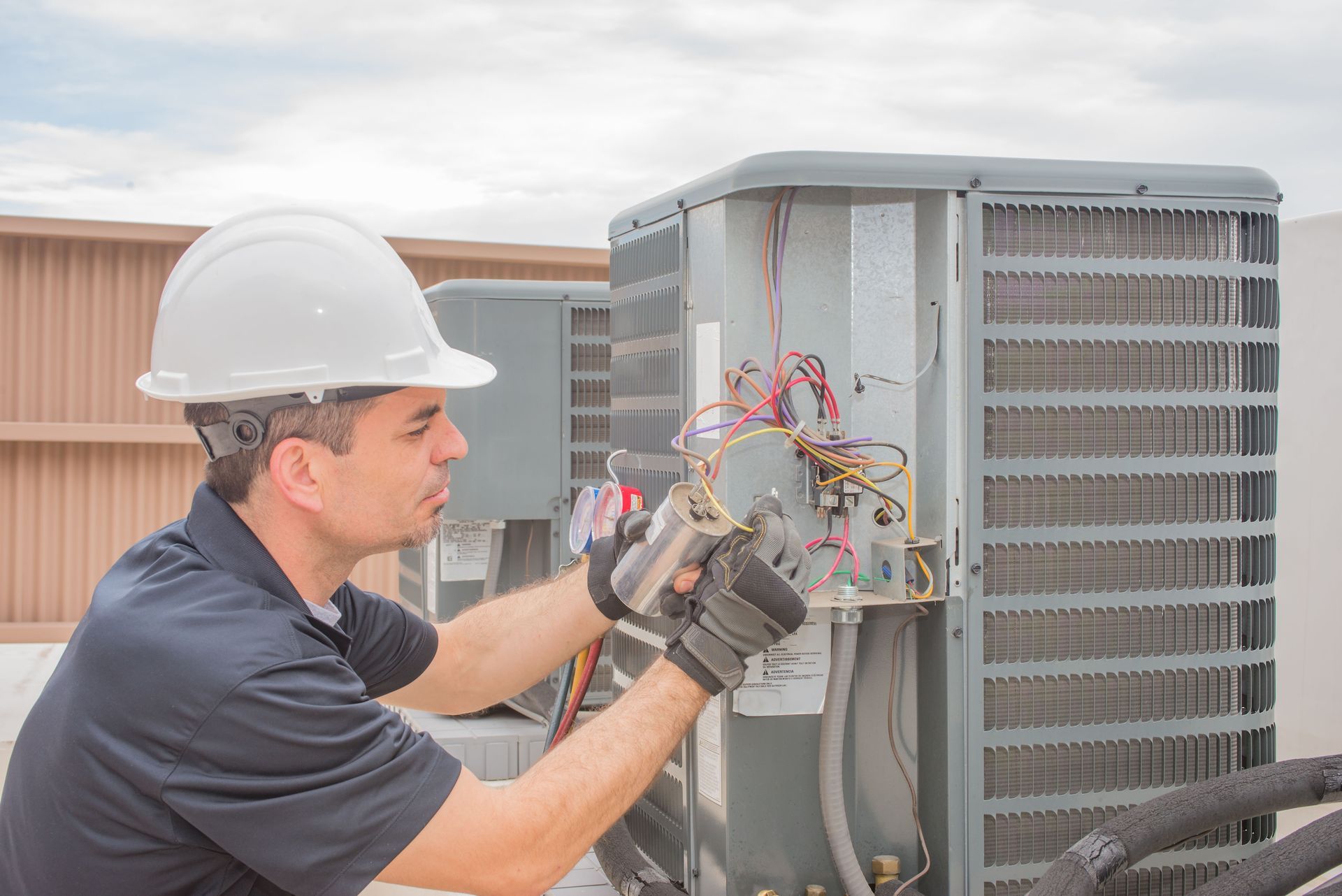
HVAC systems rely on wiring, relays, capacitors, contactors, and other electrical components. Loose or worn connections can interfere with normal operation. Professional inspections can identify visible or measurable concerns before they contribute to equipment failure.
Reviewing Motor Performance
Motors operate fans, blowers, and other moving components throughout the system. An HVAC contractor can listen for unusual sounds, evaluate operation, and identify signs of wear that could affect performance or reliability. Changes in noise, vibration, or startup behavior can provide useful clues about developing mechanical concerns.
Reviewing Moving Parts
Mechanical components experience ongoing movement during normal heating and cooling cycles. Wear can develop gradually, making periodic professional evaluation useful for identifying conditions that are not yet causing obvious problems.
Reviewing System Controls
Controls help coordinate startup, shutdown, temperature response, and system operation. If these components stop communicating correctly, comfort can become inconsistent. Routine service provides an opportunity to confirm that major controls are functioning as intended.
Maintaining Seasonal Readiness
Preparing Before Summer
Cooling equipment often faces its heaviest workload during prolonged hot weather. Scheduling service before peak season gives technicians an opportunity to identify developing issues before the system is expected to run for long periods. This can help reduce the chance that a small issue becomes more disruptive during the hottest days of the year.
Preparing Before Winter
Heating systems also benefit from inspection before colder temperatures arrive. An HVAC contractor can review operating conditions and address concerns before dependable heat becomes especially important to the household.
Preparing Heat Pumps for Both Seasons
Heat pumps operate during both heating and cooling seasons, which means they can accumulate more annual runtime than equipment used only part of the year. Twice-yearly service can help account for this heavier overall workload.
Preparing for Weather Extremes
Periods of extreme heat or cold can expose weaknesses that remain less noticeable during mild weather. Seasonal maintenance can help homeowners enter these periods with a clearer picture of system condition and any repairs that should be addressed.
Maintaining Efficiency Over Time
Watching for Longer Run Times
Equipment that begins operating longer than usual may be working harder to reach the thermostat setting. An HVAC contractor can evaluate whether airflow, mechanical wear, controls, or another issue is contributing to longer cycles.
Watching Energy Use
Energy consumption naturally changes with weather, but unexplained increases can sometimes indicate declining system performance. Comparing usage patterns can provide useful context when combined with professional inspection. Looking at changes over several billing periods can be more informative than focusing on a single unusually hot or cold month.
Watching for Declining Comfort
Reduced comfort can develop gradually as equipment ages. Homeowners may notice weaker airflow, slower temperature changes, or greater variation between rooms. These changes are worth discussing during a maintenance appointment.
Watching Equipment Age
Older systems can continue operating reliably, but age becomes increasingly relevant when repair frequency rises or performance declines. Maintenance visits can help homeowners monitor equipment condition and plan for future needs. This can make eventual repair or replacement decisions feel more deliberate rather than urgent.
Maintaining a More Predictable Service Schedule
Planning Annual Maintenance
For many conventional heating and cooling systems, scheduling professional service once a year can provide a consistent opportunity to monitor conditions. An HVAC contractor can help homeowners determine whether annual maintenance aligns with their particular equipment and usage.
Planning Twice-Yearly Heat Pump Service
Because heat pumps operate for both heating and cooling, they may benefit from service before each major season. This schedule provides two opportunities each year to identify wear and review system performance.
Planning Around Repair History
Systems with recurring issues may deserve more frequent attention than equipment with a long history of dependable operation. Reviewing previous service records can help establish a maintenance schedule that reflects the actual condition of the equipment.
Planning for Long-Term Ownership
Regular maintenance can also provide useful information for future decisions. Tracking repairs, system age, and performance changes makes it easier to understand when continued service remains practical and when replacement may eventually deserve consideration. A documented history can also help homeowners see patterns that are easy to miss when individual service calls are viewed in isolation.
Heating and cooling systems need regular professional attention to maintain dependable performance, airflow, mechanical operation, seasonal readiness, and long-term efficiency. Annual service is appropriate for many systems, while heat pumps that operate throughout both heating and cooling seasons may benefit from twice-yearly maintenance. Homeowners who want to stay ahead of developing problems can contact Rhymes Heating & Cooling today to schedule service with an HVAC contractor and keep their equipment prepared for year-round comfort.