September 15, 2026
Managing monthly household utility expenses while preserving consistent year-round indoor thermal comfort represents a major priority for modern property owners. Residential heating and cooling systems account for the vast majority of total home energy consumption, making thermal performance the single most influential factor in determining utility expenditures. When heating and cooling equipment degrades due to age, poor maintenance, or improper sizing, energy waste increases rapidly while indoor air quality and comfort suffer. Achieving meaningful, long-term energy reduction requires far more than simply adjusting a thermostat or replacing air filters sporadically. Comprehensive energy optimization demands thorough technical audits, precise load calculations, advanced equipment calibration, and ongoing professional oversight across every component of your thermal infrastructure. Partnering with a qualified HVAC contractor guarantees that your heating and cooling equipment operates at peak thermodynamic efficiency, reducing monthly power consumption and extending the operational lifespan of your mechanical systems.
Upgrading to High-Efficiency Heating and Cooling Systems
Replacing aging, inefficient heating and cooling units with modern high-performance equipment offers the most direct path toward substantial utility savings. Advanced thermal units utilize variable-speed compressors, electronically commutated blower motors, and multi-stage burner technologies to adjust heating and cooling output dynamically according to real-time indoor demand. Rather than operating at full capacity continuously, high-efficiency equipment scales power usage up or down smoothly, eliminating intense electrical surges and preventing temperature swings. Transitioning to modern heat pump technology provides exceptional energy performance by transferring ambient thermal energy between indoor and outdoor environments rather than generating heat through direct fuel combustion. According to the US Census Bureau’s Survey of Construction, heat pumps were installed as primary heating in 47% of new single-family homes in 2024, up from 23% in 2000, driven by needs for reliable comfort in diverse climates. Modern heat pumps operate effectively across extreme seasonal temperature ranges, supplying reliable warmth during harsh winters and crisp cooling throughout humid summers. Engaging a certified specialist ensures that new equipment is selected based on accurate square footage and building insulation metrics, maximizing your overall efficiency investment and long-term utility savings.
Calibrating Smart Thermostats and Programmable Controls
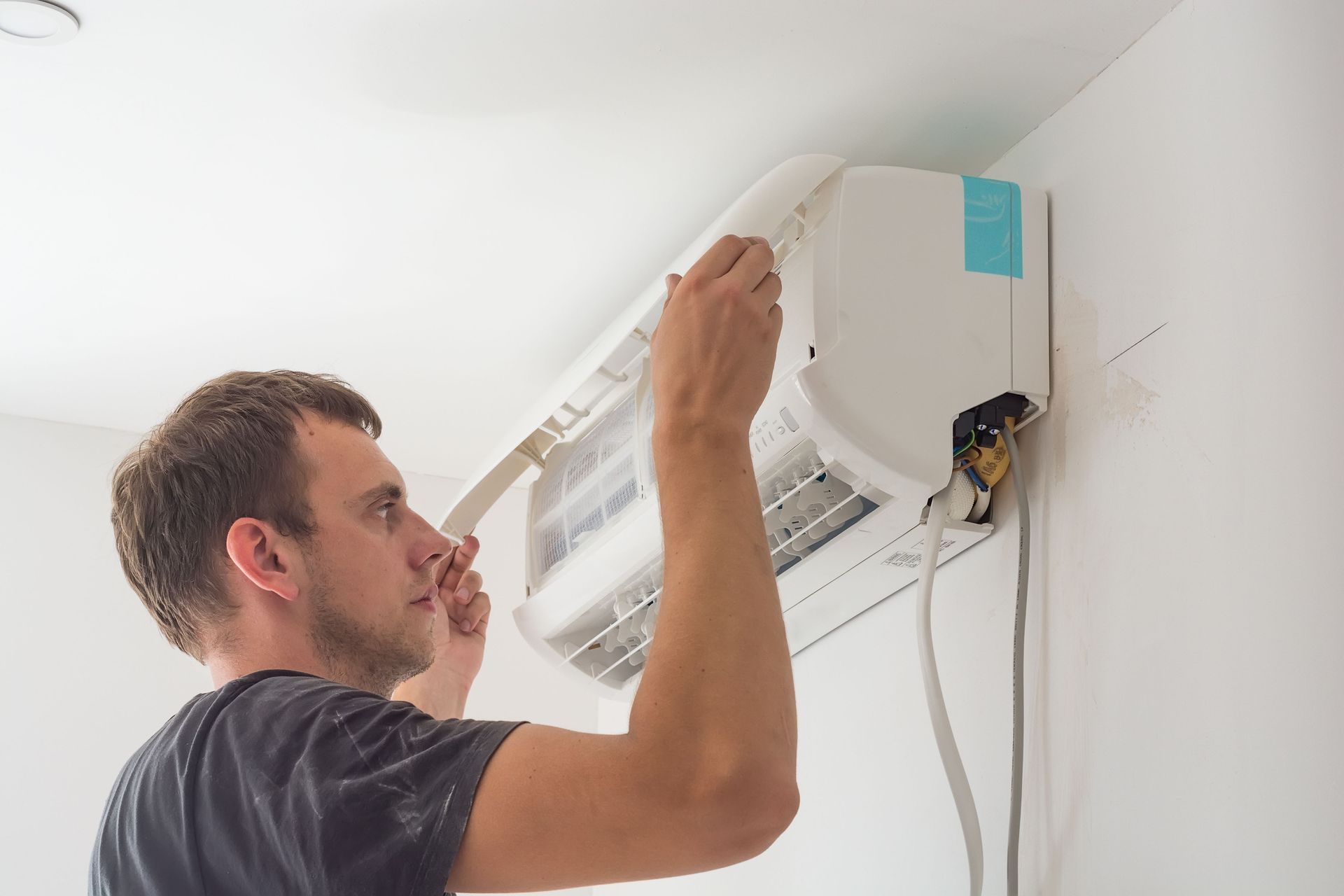
Optimizing indoor temperature scheduling through advanced digital control systems eliminates unnecessary heating and cooling during hours when homes remain unoccupied. Smart thermostats utilize machine learning algorithms, motion sensors, and wireless connectivity to analyze daily routine patterns, adjusting setpoints automatically to minimize power draw while family members are away or sleeping. Integrating programmable controls prevents mechanical systems from working continuously at full capacity when conditioned air is unnecessary, dramatically lowering cumulative monthly energy usage. However, realizing the full energy-saving potential of digital control technology requires proper wiring, sensor positioning, and system integration to avoid short cycling or communication errors between controls and equipment. Licensed specialists evaluate household routines, configure custom temperature schedules, establish secondary sensors in high-use rooms, and calibrate digital interfaces accurately. Modern controls also provide detailed energy usage reports, allowing property owners to track thermal power consumption trends over time. Consulting a knowledgeable HVAC contractor guarantees seamless control integration, empowering homeowners to monitor and manage thermal power consumption effortlessly.
Sealing Air Leaks and Optimizing Ductwork Distribution
Preventing conditioned air from escaping through unsealed duct joints, loose connections, and structural gaps ensures that thermal energy reaches intended living spaces efficiently. In many homes, branch ductwork passing through unconditioned attics, crawlspaces, and wall voids suffers from air leakage, allowing significant portions of heated or cooled air to dissipate into unoccupied spaces. When supply ducts leak, forced-air blowers must run significantly longer to achieve desired thermostat settings, driving up electrical consumption and causing uneven room temperatures. Furthermore, leaking return ducts draw unconditioned, dusty air into the ventilation stream, straining air filters and dirtying internal heat exchangers. Specialized technicians conduct thorough pressure testing, thermal imaging inspections, and smoke tracing to pinpoint invisible duct ruptures and joint separations across your home. Professional duct restoration restores systemic pressure balance, ensuring that every bedroom and living space receives balanced thermal airflow. Enlisting a skilled HVAC contractor to seal duct seams with specialized mastic sealant and apply external thermal insulation restores proper air distribution pressure while eliminating wasted energy throughout your entire living space.
Performing Comprehensive Preventative System Maintenance
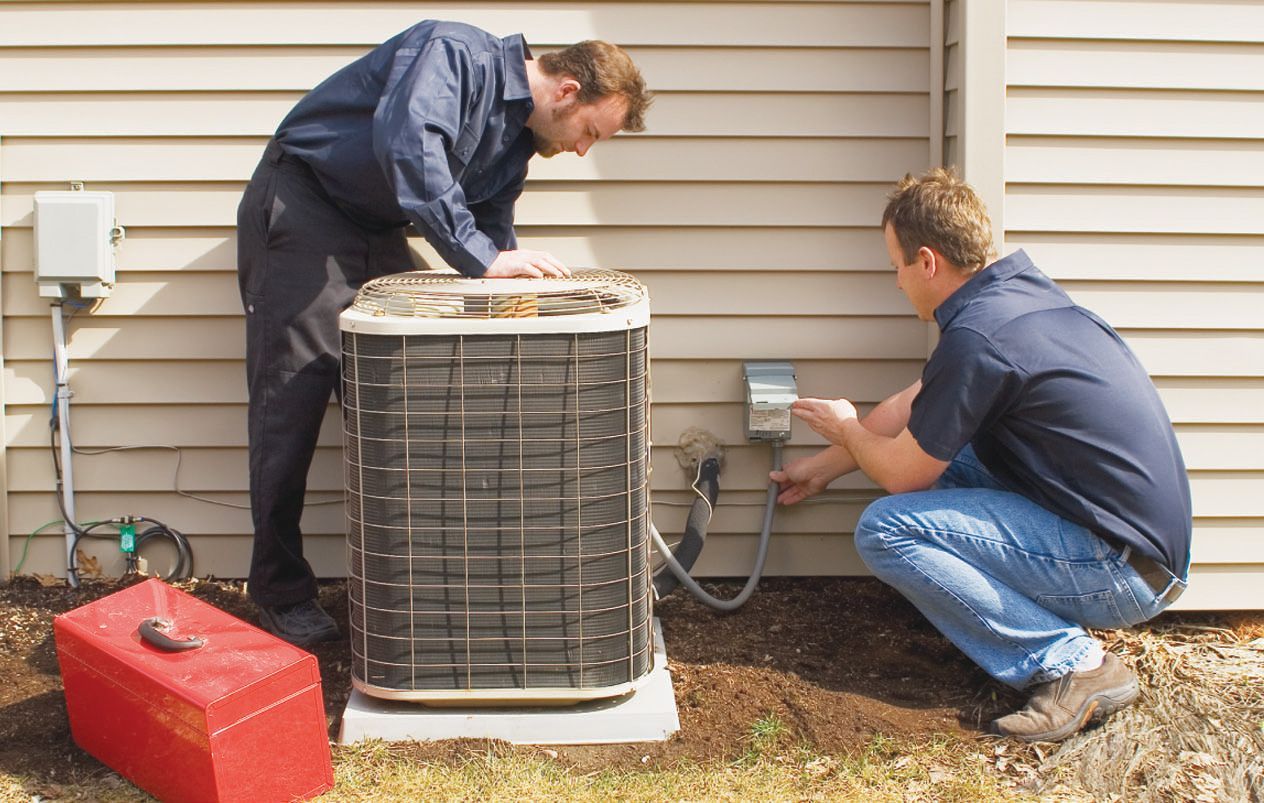
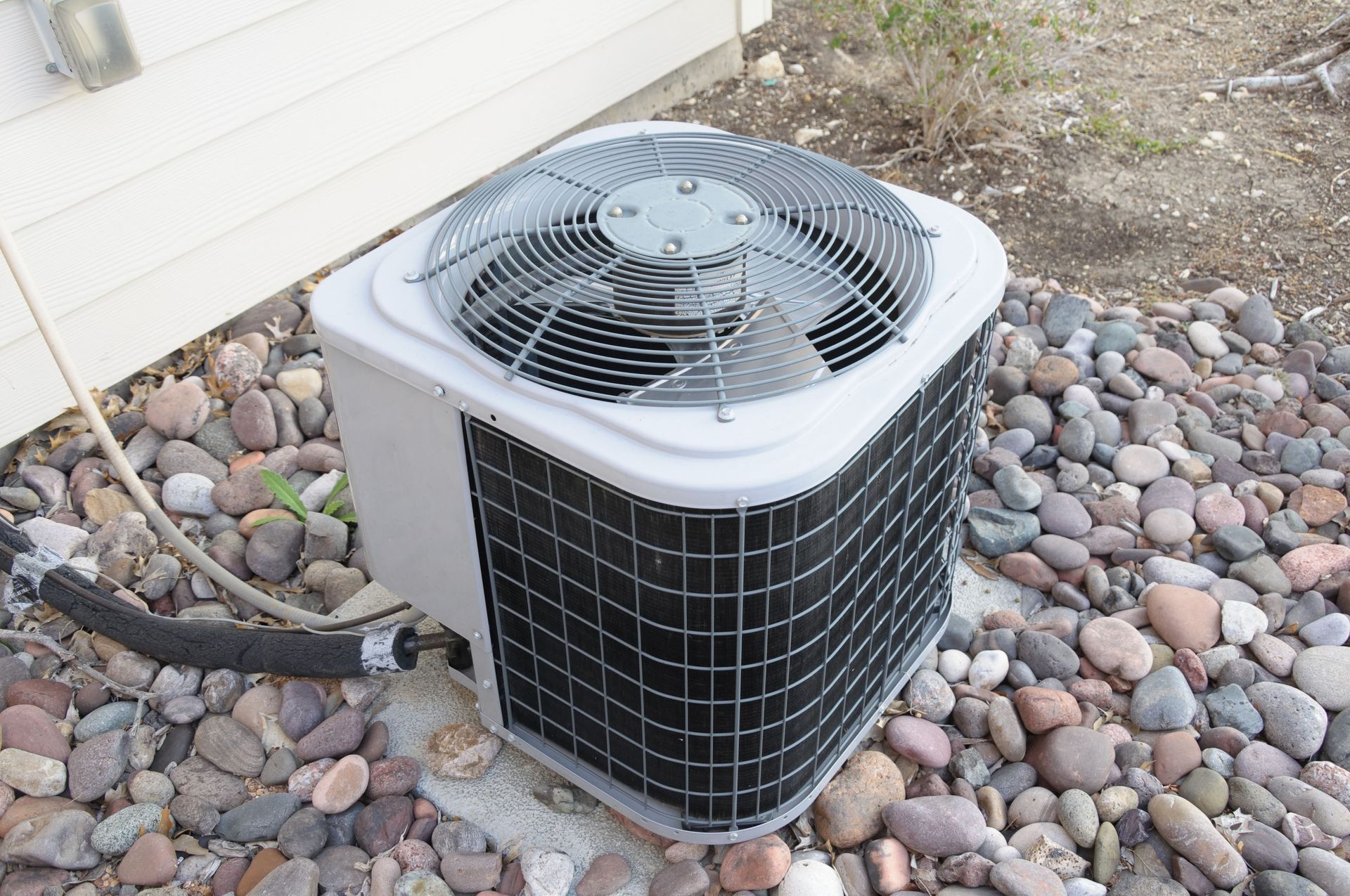
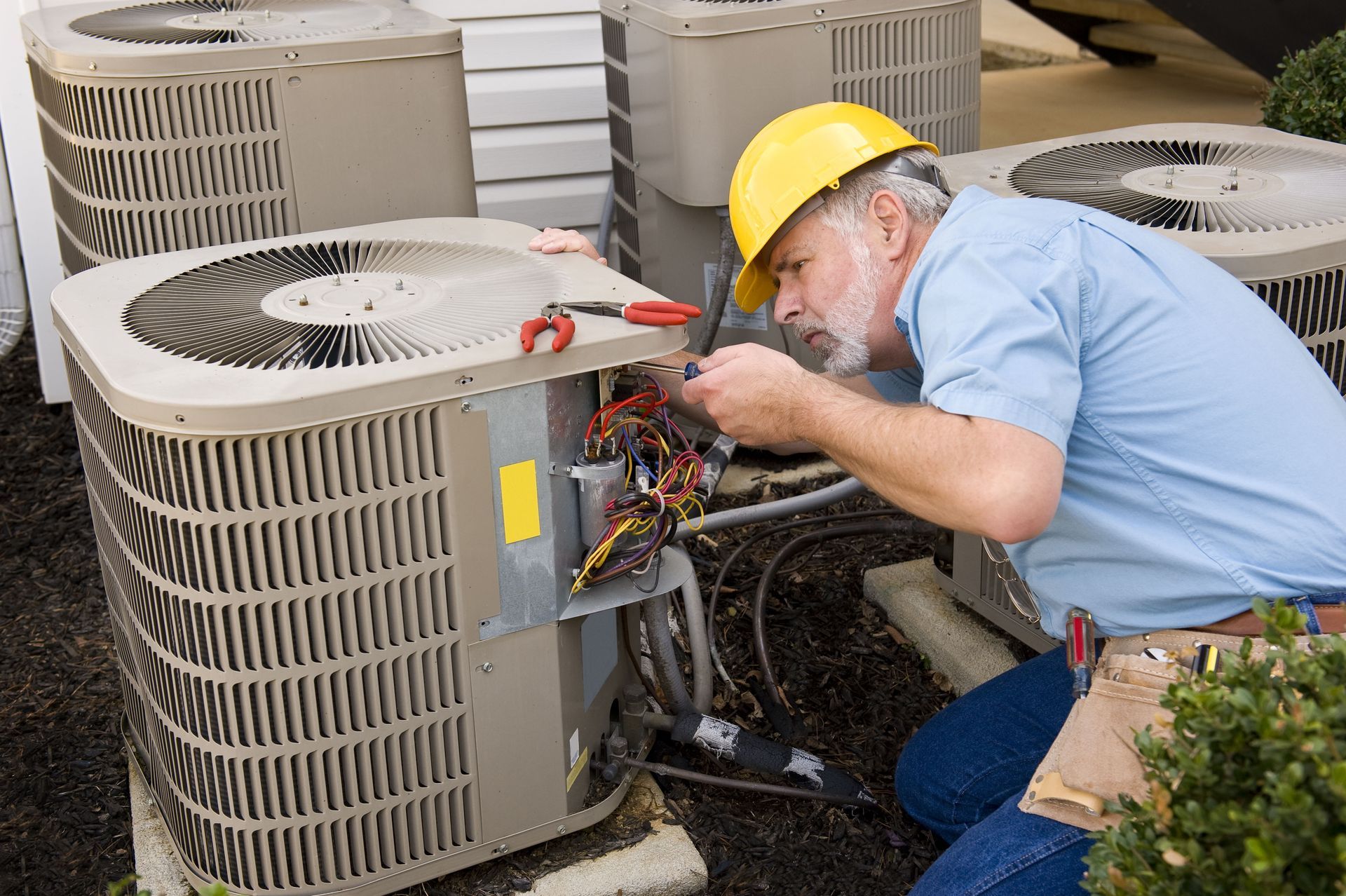
Maintaining internal mechanical components in pristine condition prevents gradual performance degradation and stops minor friction issues from increasing energy consumption. Over months of continuous operation, indoor evaporator coils and outdoor condenser coils collect dust, pollen, and airborne debris that insulate metal fins, hindering efficient heat transfer. Dirty coils force compressors to operate under elevated head pressures, consuming drastically more electrical power to achieve standard cooling levels. Similarly, unlubricated motor bearings, worn blower belts, clogged drain lines, and soot-covered burner assemblies introduce unnecessary physical resistance and combustion inefficiency into system operations. Partnering with an experienced HVAC contractor for recurring preventative service protects your equipment from premature mechanical breakdown while preserving low operational energy costs throughout every season of the year.
Conducting Thorough Home Energy Audits and Load Calculations
Evaluating the complete thermal envelope of a residence allows property owners to identify hidden structural weaknesses that force heating and cooling systems to work overtime. Professional energy audits combine specialized diagnostic tools—such as blower door depressurization testing and infrared thermography—to measure air infiltration rates around windows, doors, electrical outlets, and ceiling penetrations. Identifying areas of deficient insulation in attics and exterior walls reveals where heat transfers rapidly between interior living spaces and the outside environment during weather extremes. Utilizing a qualified HVAC contractor to conduct comprehensive load calculations ensures that equipment sizing perfectly matches household thermal requirements, eliminating energy waste caused by improper system capacity.
Improving Indoor Air Quality and Airflow Dynamics
Optimizing ventilation patterns and internal static pressure across forced-air systems reduces mechanical strain on blower motors while maintaining healthy indoor air quality. Restrictive air filters, crushed return ducts, closed supply registers, and improper fan speed settings create high static pressure within duct networks, forcing fan motors to draw excessive electricity to push air through living spaces. Balancing airflow dynamics involves measuring static pressure across air handlers, adjusting blower motor speeds, opening essential supply pathways, and installing high-flow filtration media. Proper airflow balances internal moisture levels as well, preventing high humidity from making indoor spaces feel warmer than actual thermostat readings indicate. Removing airflow restrictions allows system blowers to move conditioned air freely, reducing overall runtime cycles and preserving low energy draw. High-efficiency filtration systems also trap microscopic dust, pollen, and dander without causing static pressure spikes across system blowers. Securing professional HVAC contractor services ensures that your ventilation framework operates with minimal static resistance, fostering healthy indoor air quality while keeping seasonal energy consumption remarkably low.
Achieving sustainable, long-term energy savings requires a holistic approach to home comfort, combining high-efficiency equipment upgrades, intelligent control systems, sealed distribution ductwork, and rigorous preventative maintenance. When heating and cooling systems operate without mechanical friction, airflow restrictions, or thermal leaks, overall electrical and fuel consumption drops significantly, delivering lower utility costs month after month. Addressing subtle warning signs of inefficiency—such as uneven room temperatures, long runtimes, noisy ductwork, or unexpected power surges—protects your financial investment and preserves long-term equipment reliability. Partnering with dedicated professionals guarantees that every element of your thermal infrastructure is audited, calibrated, and maintained to meet rigorous efficiency standards. At Rhymes Heating & Cooling, we take immense pride in delivering exceptional heating and cooling solutions, advanced energy diagnostics, precision maintenance, and dedicated customer care tailored to your home comfort goals. Contact our experienced team today to schedule a comprehensive energy evaluation, explore high-efficiency equipment upgrades, and discover how our specialized services can transform your indoor comfort while significantly reducing your utility expenses year after year.