September 23, 2026
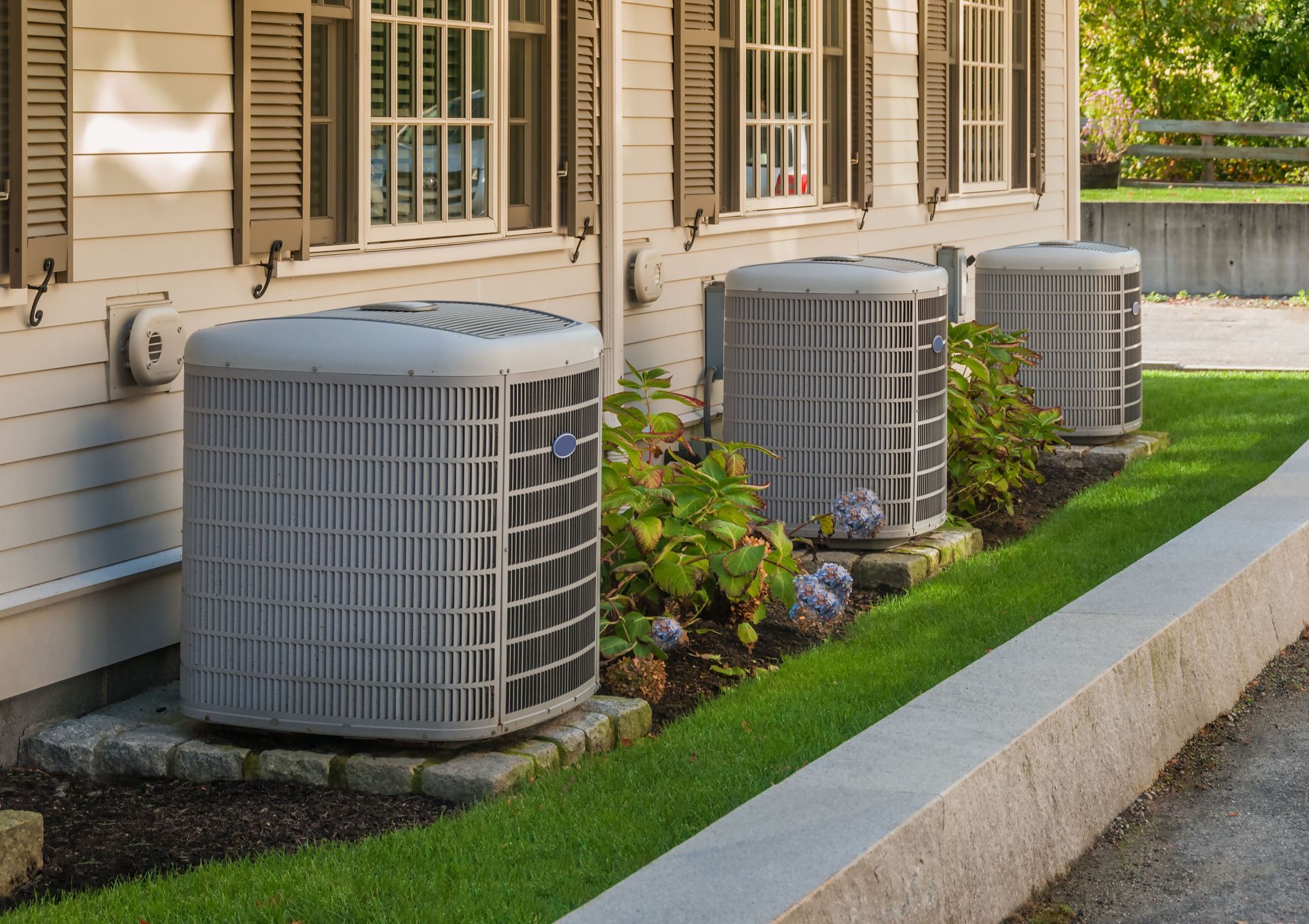
Understanding the lifespan of your HVAC system and identifying signs of wear and tear is crucial for maintaining a comfortable and energy-efficient home. Homeowners often overlook their HVAC systems until a problem arises, resulting in uncomfortable living conditions or unexpected expenses. By monitoring performance and age, you can easily determine when it is time to contact a local HVAC contractor for help. One must consider the age, performance, and overall frequency of needed repairs to gauge whether a system is reaching the end of its functional life. By understanding these factors, homeowners can make informed decisions about repairs or replacements, ensuring their home remains a restful, safe respite from harsh outdoor conditions.
Evaluate System Lifespan and Efficiency
The age of an HVAC system significantly affects its operational efficiency and day-to-day reliability. As systems age, key internal components like the compressor and fan motors naturally start to degrade, leading to system-wide operational inefficiencies. These aging components force the entire setup to work much harder to achieve desired temperatures, resulting in higher energy consumption month after month. According to Home Advisor, standard heating and cooling setups generally endure between fifteen and twenty-five years before needing total replacement. Hiring a local HVAC contractor allows you to stay ahead of these issues before complete breakdown strikes.
Frequent repairs and routine maintenance costs become increasingly common as an HVAC unit approaches the end of its functional life. As mechanical parts wear out, the constant need for replacements and fixes can quickly add up, costing the homeowner significantly more over time. In some cases, the accumulating cost of repeated repairs can easily exceed the baseline investment required for purchasing a new, energy-efficient model. Additionally, older systems simply cannot take advantage of modern technological advancements made in newer models that offer vastly better performance. A trusted local HVAC contractor can evaluate your current setup and advise on whether continuing fixes remain practical.
Recognize Strange Noises and Unusual Odors
Strange noises coming directly from your HVAC system can signify various underlying structural or mechanical issues. Whirring, banging, or persistent clicking sounds might indicate loose internal parts, mounting friction, or failing components within the motor or blower assembly. These alarming sounds are critical cues that should never be ignored by homeowners, as they usually indicate severe mechanical problems that lead to expensive damages down the line. It is always highly advisable to have a local HVAC contractor inspect the unit promptly to prevent further physical destruction. Understanding and quickly identifying these strange noises can help homeowners take the necessary protective actions required to maintain overall system health.
Unusual odors emanating from your ductwork or main unit should also raise immediate concern for household members. Burning smells often signal serious electrical problems or dangerously overheating internal components that require fast intervention. Musty, damp odors typically point to ongoing moisture issues or dangerous mold growth accumulating within the internal duct framework.
Monitor Air Quality and Health Concerns
Poor air quality within a home environment can very often be linked directly to an underperforming HVAC system. When a system begins failing, it fails to properly filter out microscopic allergens, dust, and environmental pollutants, leading to an unwanted accumulation of irritants. Homeowners might notice a rapid increase in settled dust on surfaces or find family members suffering from frequent respiratory issues like allergies and asthma. Additionally, a failing system usually cannot maintain proper airflow, creating stale and stagnant air conditions in multiple rooms. Partnering with a local HVAC contractor helps ensure your air delivery system stays clean, functional, and properly balanced.
The direct health effects of poor HVAC system performance can be surprisingly significant for household residents over time. For individuals living with chronic respiratory conditions, ineffective air filtration and improper circulation can severely exacerbate uncomfortable symptoms day after day. Furnace and air conditioning units that consistently fail to maintain stable indoor temperatures can also create environments ripe for bacterial contamination and rapid mold growth.
Resolve Uneven Temperature Distribution
Uneven temperature distribution across various living spaces often indicates several deep underlying issues within a heating and cooling system. Noticeably varying temperatures from room to room might suggest that the primary system is struggling to maintain uniform conditions due to age-related operational inefficiencies. Common causes of this uncomfortable variability can include deteriorating ductwork, improper system sizing, or poor insulation in specific areas of the house. As a result, the primary unit has to compensate by working twice as hard, leading directly to accelerated mechanical wear and rising monthly energy consumption.
Issues within home insulation and surrounding ductwork frequently contribute to severe, frustrating temperature distribution problems. Ducts that have developed structural leaks or were improperly sized during initial installation can cause certain areas of the building to receive insufficient airflow. Similarly, sparse insulation in critical spaces like attics or crawlspaces allows for unwanted heat loss or gain, drastically lowering system efficiency. Homeowners can begin addressing these issues by inspecting and sealing reachable ductwork, adding insulation where needed, and ensuring all registers remain completely clear of obstructions. Consulting a local HVAC contractor can help you pinpoint hard-to-find duct leaks or airflow restrictions quickly.
Address Humidity Levels and Moisture Issues
Excessively high humidity levels inside a home can cause severe physical discomfort and long-term property damage, particularly when an HVAC system fails to regulate indoor moisture effectively. Serious humidity issues can often be traced right back to a malfunctioning or improperly sized air conditioning system, which may not be effectively dehumidifying air as part of its normal cooling process. Unfortunately, excessive ambient moisture contributes directly to widespread mold growth, rot, and gradual structural damage over extended periods. Recognizing these moisture issues early allows homeowners to take action before structural damage spreads throughout the building.
Frequent visual indicators of indoor humidity problems include persistent condensation on window panes, sticky living environments, and lingering musty odors that worsen if left unaddressed. Prolonged exposure to high indoor humidity can also lead to warped wood flooring, damaged drywall, and an increased likelihood of unwanted pest infestations. HVAC units that are severely overtaxed or incorrectly sized will constantly struggle to manage ambient moisture levels effectively.
Explore System Replacement Options and Upgrades
Deciding when to finally replace an aging climate control system involves a careful, honest assessment of equipment age, historical performance, and accumulated repair bills. Systems over fifteen years old should be carefully evaluated for total replacement if they display clear signs of declining efficiency or chronic breakdown. Continually rising monthly energy costs combined with the need for frequent service calls are significant indicators that an equipment upgrade would be financially beneficial. Additionally, modern technological advancements featured in newer models can dramatically enhance home comfort while slashing utility expenses.
Modern, energy-efficient replacement options provide property owners with incredible opportunities to reduce environmental impact while elevating daily indoor comfort. Today's advanced heating and cooling systems boast state-of-the-art features like smart thermostat integration, variable-speed compressors, and multi-zone configurations that optimize fuel and power consumption. Calculating your potential return on investment allows you to understand long-term energy savings and realistic payback periods for new equipment. Furthermore, local utility rebates and manufacturer incentives can significantly offset initial installation costs, making high-efficiency upgrades far more accessible. Relying on a local HVAC contractor ensures your new equipment is sized correctly and installed according to precise manufacturer specifications.
Identifying the end of your climate control system's lifespan prevents uncomfortable living conditions, unexpected mechanical breakdowns, and soaring energy bills. By keeping a close eye on clear warning signs like strange noises, uneven temperatures, high humidity, and rising power bills, you actively safeguard your property investment. When it comes time to service, repair, or upgrade your home's setup, working with a team that brings complete professional integrity and elite standards makes all the difference. For superior service backed by licensed and insured certified technicians, competitive pricing, longer warranties, no subcontractors, and a strict drug-free workplace, trust the team at Rhymes Heating & Cooling to keep your home comfortable in every season. Contact Rhymes Heating & Cooling today to schedule your comprehensive system evaluation!