October 23, 2026
During the cooler months in the St Louis area, many homeowners rely on their heating systems to stay comfortable. When you turn on your thermostat, you expect a satisfying burst of cozy warmth to fill your living space. However, if you check your vents and notice that the air coming out seems a bit cooler than expected, you might wonder if something is wrong. Understanding how these systems operate can help you determine whether your equipment is working properly or if you need professional assistance from experienced heating contractors to address underlying system issues around your home.
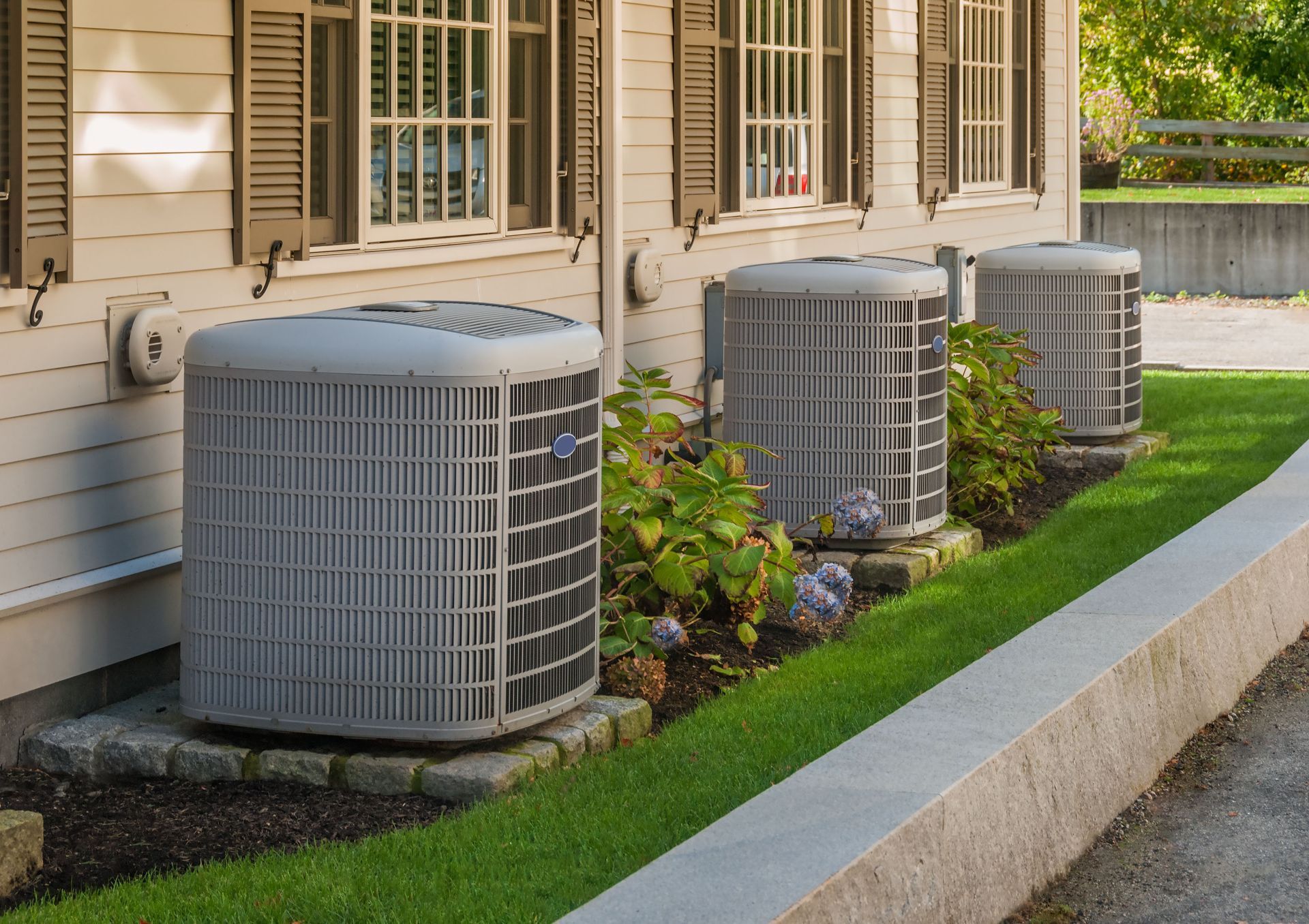
Heat pumps work differently than standard natural gas or propane systems. Instead of generating raw heat through combustion, they move warmth from the outdoors into your living area. Because of this unique process, the temperature output can feel surprising to someone who is accustomed to traditional forced-air setups. Learning the reasons behind this steady warmth can offer peace of mind during chilly days and help you make smart choices regarding your comfort equipment.
Understanding the Standard Output Temperature
The primary reason your system seems lukewarm comes down to fundamental equipment design. According to The Spruce, unlike a gas furnace that blasts hot air (around 120°F to 140°F), heat pumps blow air that is closer to body temperature (around 85°F to 90°F). Because human skin sits around ninety-eight degrees, air blowing at eighty-five degrees feels cool to the touch even though it actively warms your rooms.
This steady, lower-temperature airflow is designed to maintain a consistent environment without intense temperature spikes. While traditional systems turn on, blast extreme heat, and shut off, modern electric units run for longer periods at lower intensity. This continuous operation distributes warmth evenly while maintaining solid energy efficiency across your entire household throughout the cooler seasons.
Checking Your Thermostat Settings
Sometimes the issue is not with the heating unit itself but with how your wall thermostat is configured. If your fan setting is set to ON rather than AUTO, the blower fan will continue running non-stop. When the heating cycle finishes, the fan continues pushing room-temperature air through your ducts, making it feel like cool drafts are blowing throughout your house.
Switching your thermostat fan setting back to AUTO ensures that air only moves when the system actively warms the space. Additionally, double-check your set point temperature. If someone accidentally adjusted the controls, the unit might simply be maintaining a lower setting. Making simple adjustments can resolve apparent cooling issues quickly without requiring extensive maintenance or component replacements.
Recognizing Automatic Defrost Cycles
During freezing weather, outdoor units naturally build up frost or ice on their exterior coils. To prevent performance loss, the system periodically initiates an automatic defrost mode. During this brief process, the unit temporarily reverses its operation to melt the ice accumulating on the outdoor components.
While operating in defrost mode, the system may temporarily blow cooler air through your indoor vents for a few minutes. Most units engage supplemental heating elements during defrosting to offset this effect, but brief dips in air temperature can still happen. If the air stays chilly for only ten to fifteen minutes before returning to normal warmth, your unit is simply performing routine self-maintenance.
Inspecting Filters and Air Flow
Restricted airflow can severely impact how efficiently your system transfers warmth into your home. A clogged air filter prevents sufficient air from passing across the heat exchanger, which can cause internal components to overheat or trigger safety shut-offs. When airflow is choked, system efficiency drops dramatically.
Check your air filters every month and replace them whenever dust and debris accumulate. Clean filters allow optimal volume to pass through your ductwork, helping your equipment maintain consistent comfort. Keeping vents and return registers open and unblocked by furniture or drapes also protects overall system performance across every room.
Evaluating Outdoor Unit Conditions
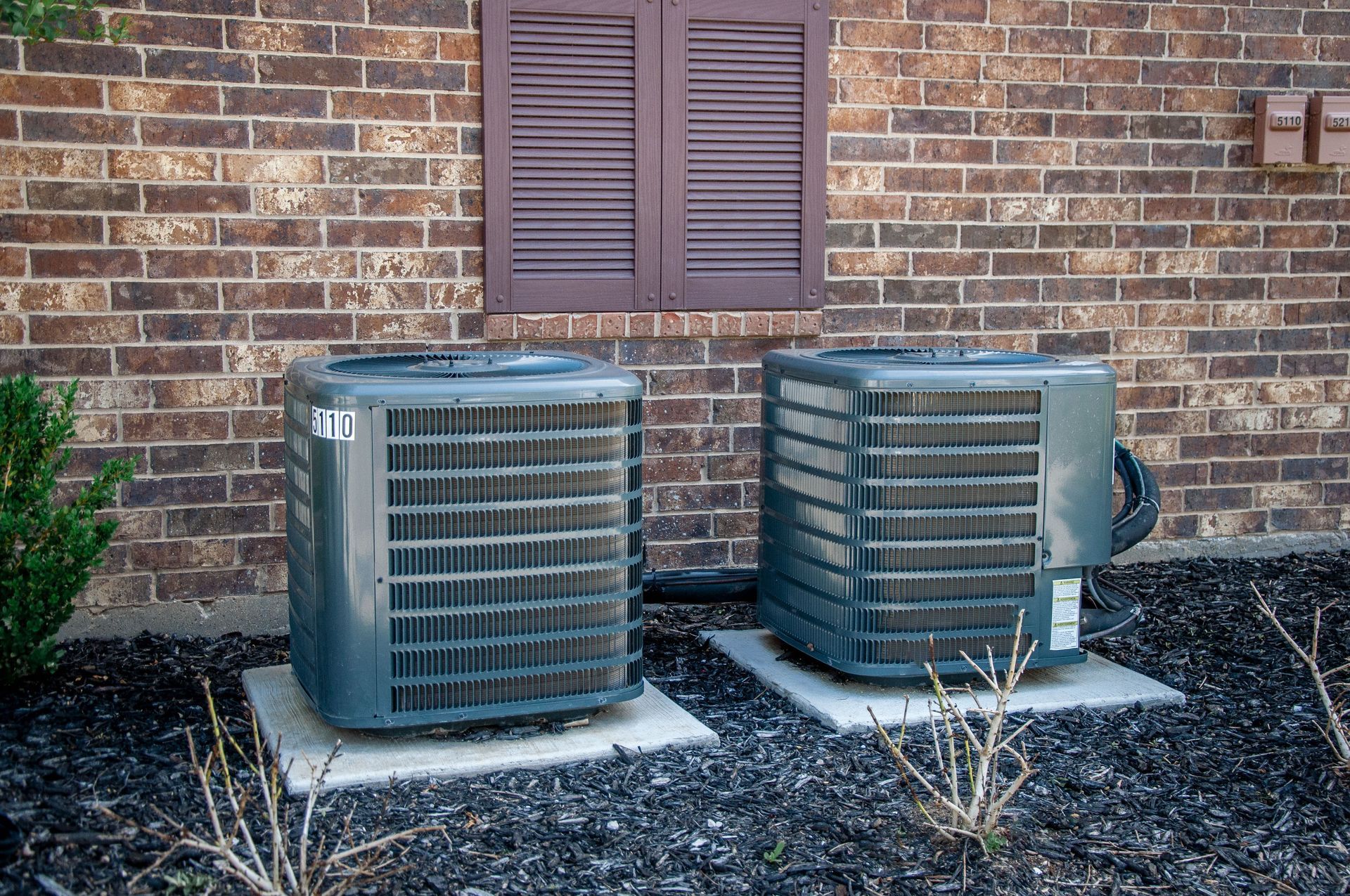
Because outdoor components gather ambient heat from exterior air, the physical condition of the exterior cabinet is critical. Leaves, dirt, snow, and ice can accumulate around the cabinet, blocking essential airflow. When the outdoor unit cannot pull air through its coils, its ability to warm your indoor space degrades rapidly.
Clear away dead vegetation, fallen leaves, and snow drifts from around the base of your outdoor unit. Maintain at least two feet of clear clearance on all sides of the equipment. Keeping the area surrounding the exterior cabinet tidy allows proper air intake, helping your heating setup run as smoothly as possible even during harsh winter snaps.
Addressing Refrigerant Pressure Issues
Your heat pump relies on specialized refrigerant to absorb outdoor heat and transfer it indoors. If the system develops a slow leak or suffers from improper charge levels, its capacity to move heat drops significantly. Low refrigerant levels often result in lukewarm air that never quite brings your home up to the desired thermostat setting.
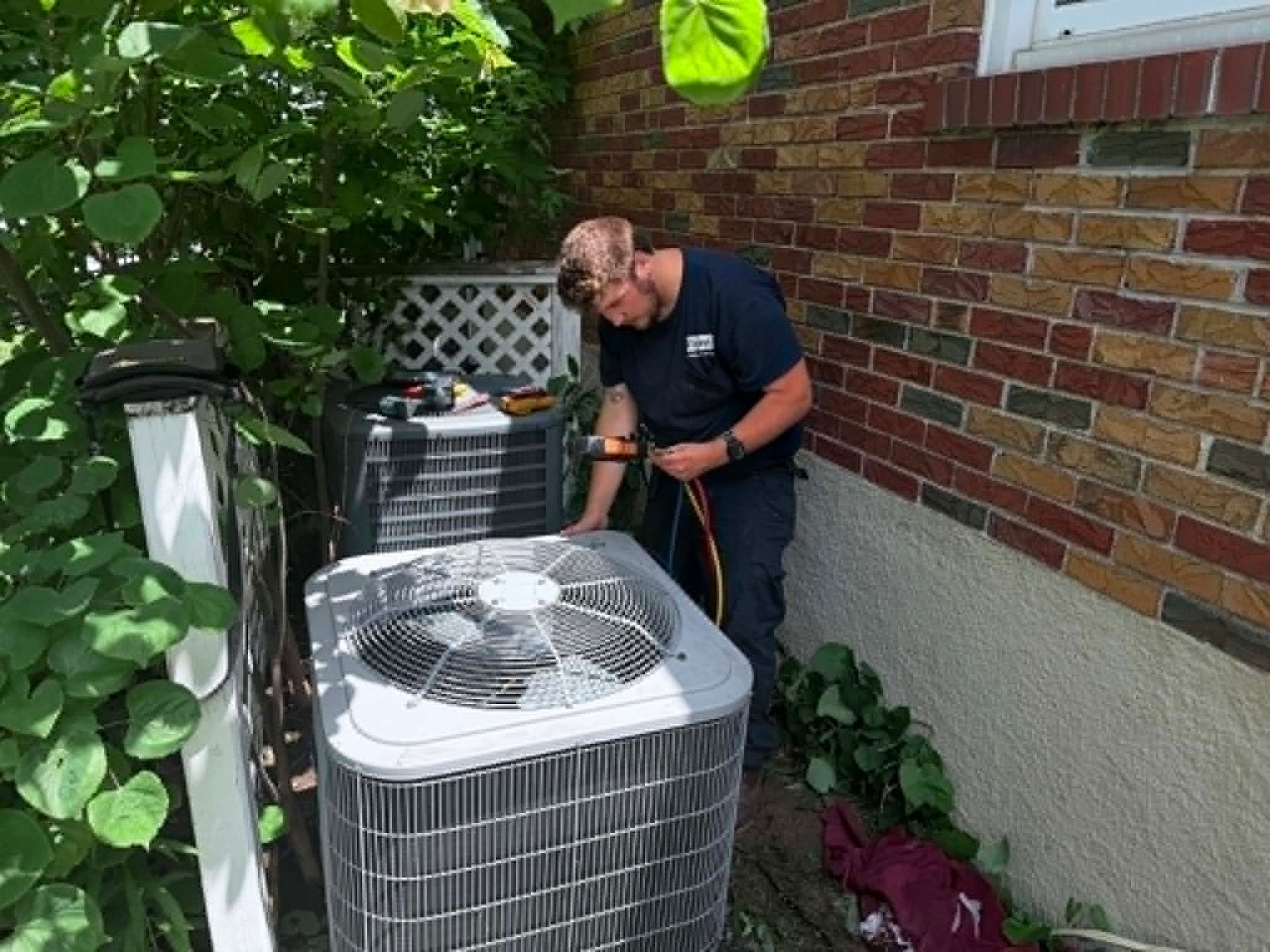
Signs of refrigerant issues include extended run times, unusual hissing sounds near the lines, or ice forming on the copper tubing. Because refrigerant handling requires specialized equipment and safety certifications, diagnosing leak issues requires trained technicians. Knowledgeable heating contractors who understand system pressures can quickly resolve these issues to restore full system capacity.
Managing Extremely Cold Outdoor Weather
As outdoor temperatures drop below freezing, the amount of heat available in the outside air decreases. Standard heat pumps must work harder to extract warmth as the weather becomes extremely cold. When ambient temperatures plunge, the air coming from your supply vents may feel slightly cooler than it does during mild autumn weather.
To handle extreme cold snaps, many systems utilize auxiliary heat strips to supplement performance. These electric resistance coils kick in automatically when the outdoor unit needs assistance. Licensed heating contractors often configure these auxiliary systems to ensure seamless operation when outdoor temperatures drop dramatically.
Verifying Proper Ductwork Design
Leaky, uninsulated, or poorly designed ductwork can ruin the performance of an otherwise perfectly healthy heating system. As warm air travels from the indoor handler through unconditioned attics, basements, or crawl spaces, heat escapes through unsealed joints or thin duct walls. By the time the air reaches your living areas, it has lost significant warmth.
Insulating ductwork in unheated zones of your house preserves generated heat until it reaches your living space. Sealing cracks and connection seams with specialized mastic prevents warm air from escaping into empty wall cavities. Professional heating contractors can perform comprehensive airflow checks to verify that every branch delivers adequate warmth throughout your home.
Consulting Professional Heating Contractors
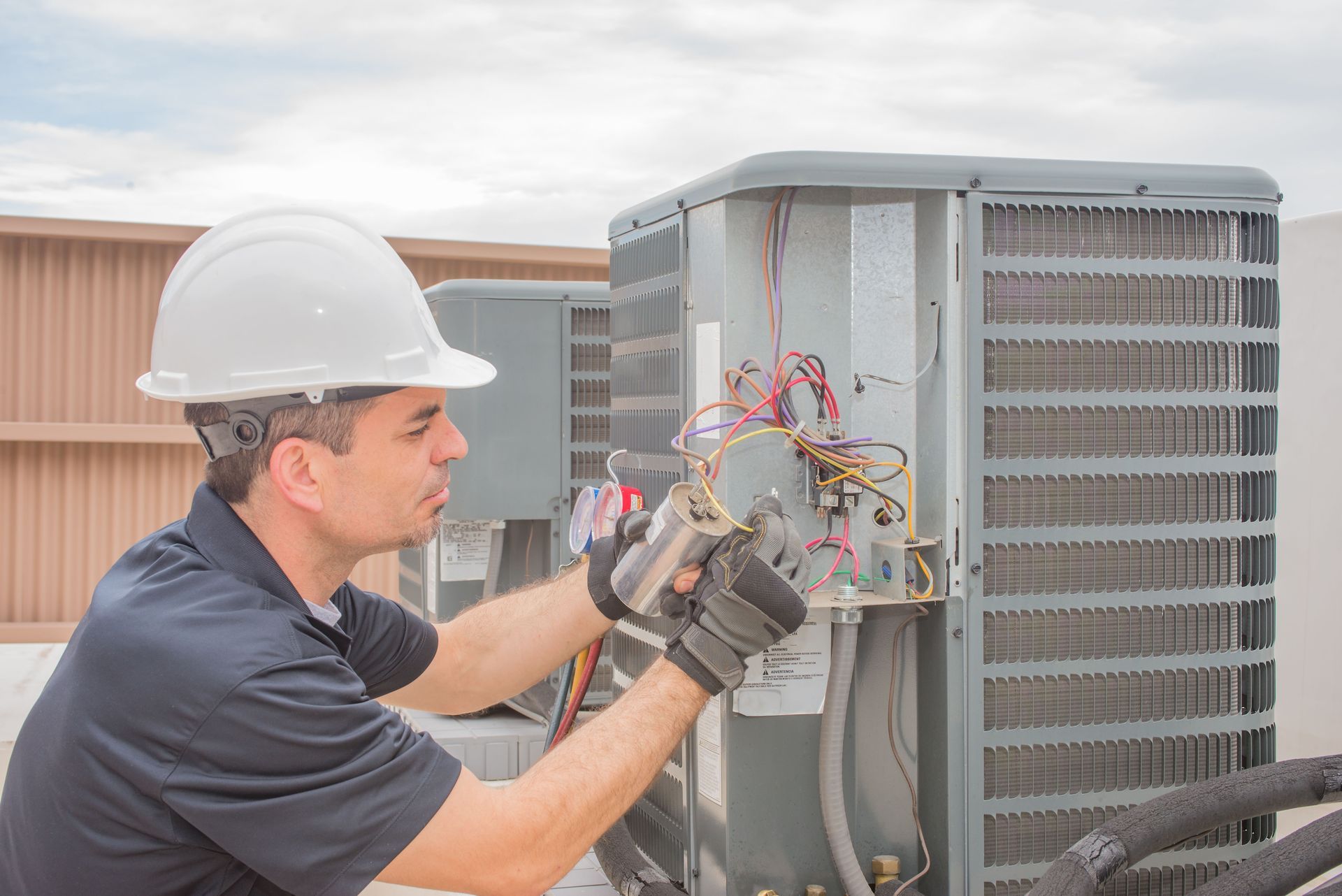
When basic troubleshooting does not resolve performance issues, professional assistance becomes necessary. Complex mechanical components such as compressors, reversing valves, and blower motors require expert evaluation. Working with certified heating contractors ensures that any diagnostic work or component repair is handled safely and effectively.
Routine preventative care stops minor component wear from turning into major system breakdowns over time. Certified
heating contractors can perform seasonal checkups, clean internal coils, test electrical connections, and fine-tune your heat pump for maximum efficiency. Taking good care of your unit ensures long-lasting comfort whenever low temperatures arrive.
When you need reliable heating support in the St Louis area, Rhymes Heating & Cooling is here to help keep your home warm and comfortable all year long. As a locally owned and family-operated business, we take pride in offering top-quality service, free estimates on new equipment, and flexible financing available to fit your budget. Call us today to learn more about how we can optimize your home comfort systems or resolve any heating issues quickly and efficiently.