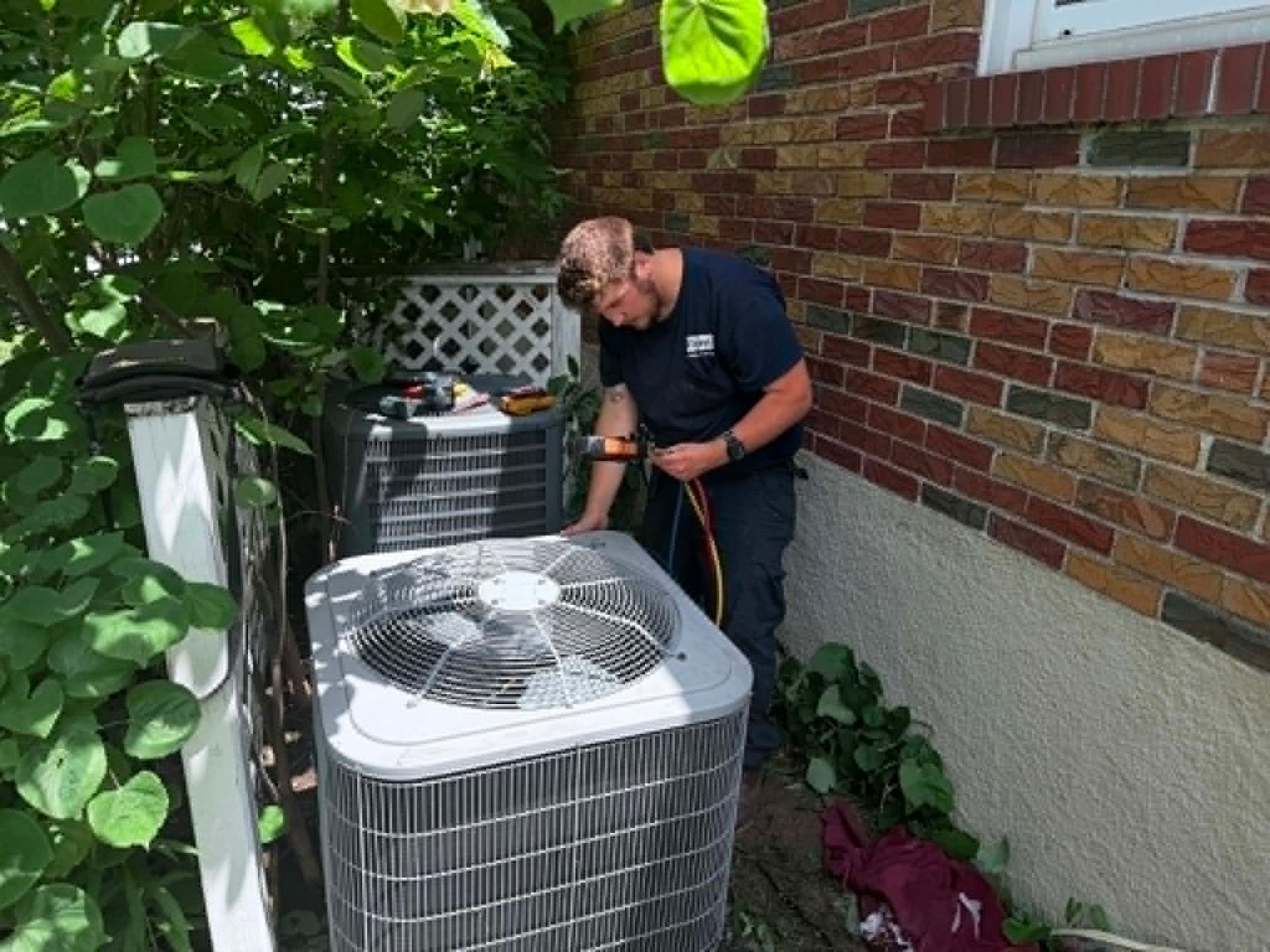
How Routine AC Service Prevents Unexpected Breakdowns
July 24, 2026

July 24, 2026

An efficient cooling system generates a surprising amount of moisture as it extracts humidity from your indoor living spaces. This condensation flows down into a specialized plastic pan and exits the home through a narrow drainage pipe. Over time, this dark and damp environment becomes a breeding ground for thick algae, mold, and airborne debris. If these contaminants create a solid clog inside the drainage pipe, the water will inevitably back up and overflow into your home. This overflow can quickly ruin your surrounding drywall, warp hardwood floors, and cause expensive structural decay in nearby ceilings. Scheduling routine AC service ensures that a technician thoroughly flushes the drainage line and treats the pan with specialized clearing tablets. Catching these blockages early prevents sudden system shutdowns caused by integrated safety float switches that trigger during a backup. Keeping this pathway clear protects both your property value and the operational reliability of your cooling machine all summer.


Cleaning Dirty Condenser Coils and Lowering System Stress

The outdoor unit of your cooling system is constantly exposed to harsh environmental elements like grass clippings, dirt, and falling leaves. These debris layers form an insulating blanket over the delicate metal fins, trapping intense heat inside the mechanical loop. When the coils cannot shed heat efficiently, the entire system must work significantly harder to cool your home. This extra strain forces the compressor to run at elevated temperatures, which dramatically accelerates internal component wear. Investing in periodic AC service allows professional technicians to safely power-wash the external coils using specialized biodegradable chemical solutions. Removing this stubborn grime restores optimal heat transfer, which immediately lowers the physical stress placed on your compressor. A clean coil ensures that your system operates within its designed thermodynamic parameters rather than running on the brink of mechanical failure. Reducing this operational strain is the most effective way to prevent costly mid-season motor burnouts from happening.


Calibrating Electrical Connections and Reducing Fire Hazards

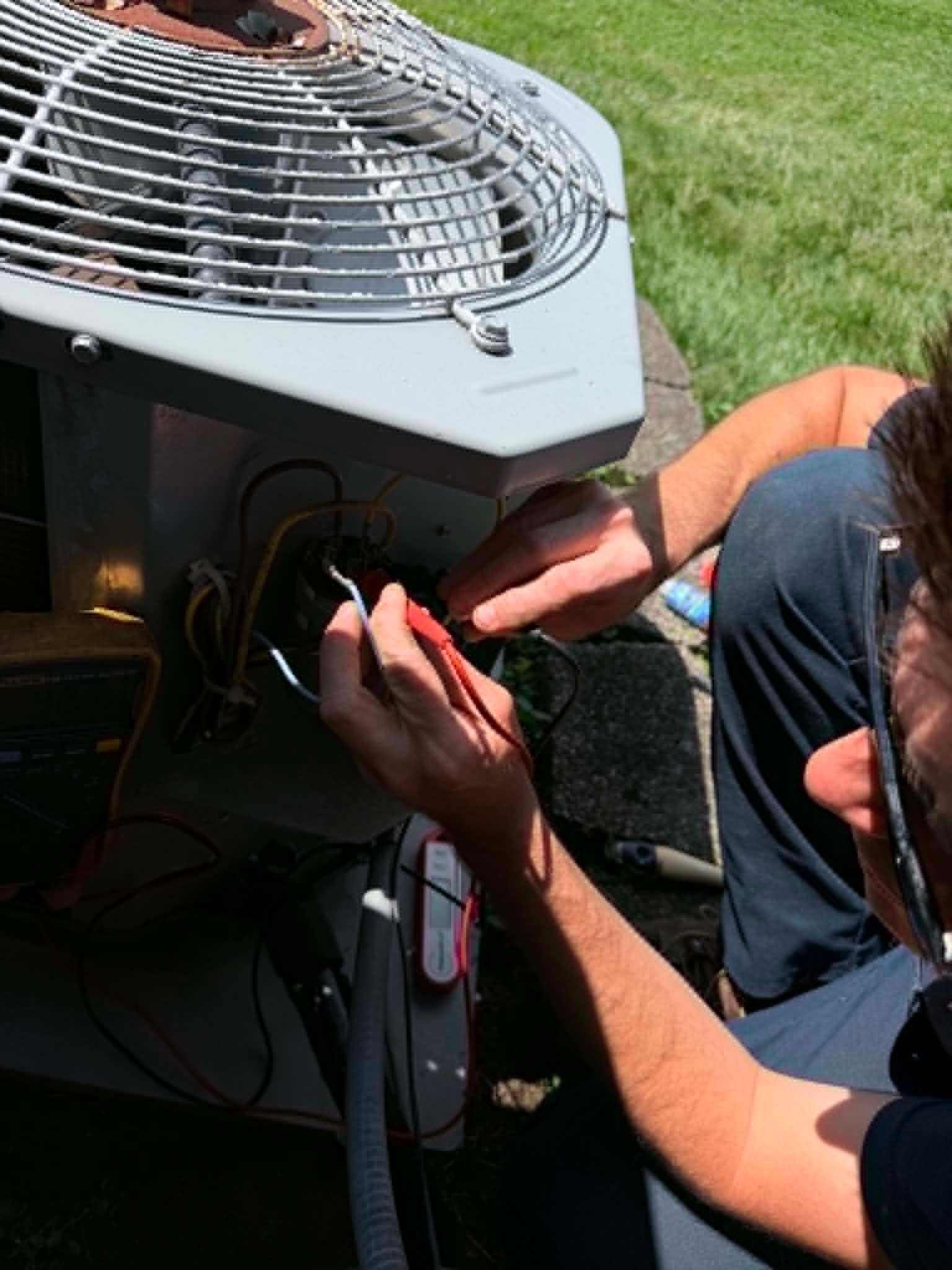
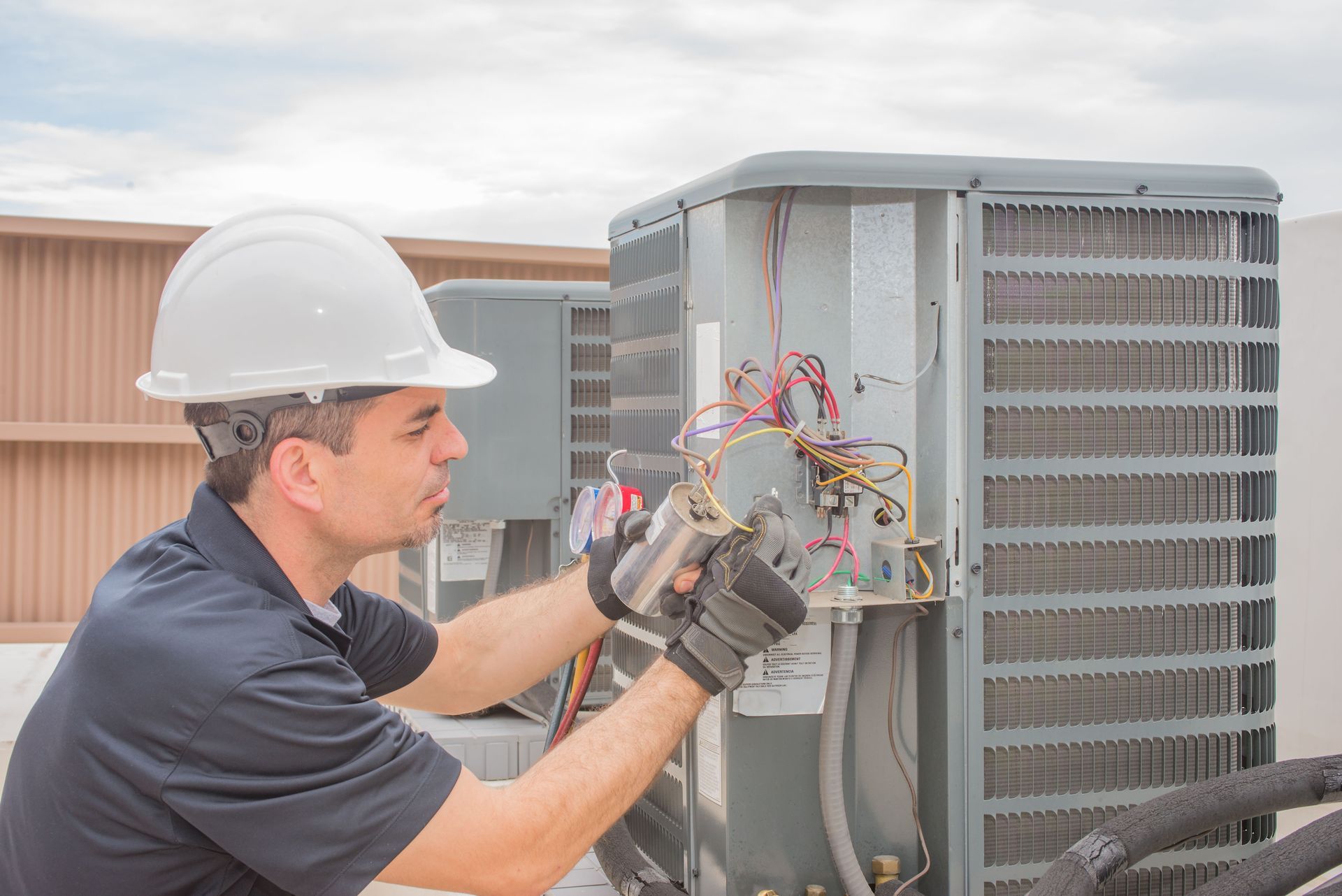
Modern cooling units rely on complex electrical grids containing high-voltage wires, heavy-duty capacitors, and automated control relays. The constant vibration generated by the compressor can cause these electrical terminals to loosen over months of continuous operation. Loose wiring creates high electrical resistance, which generates extreme heat and can melt protective plastic insulation inside the access panel. Furthermore, weakened capacitors will struggle to provide the necessary electrical surge required to start up the heavy fan motors safely. Utilizing comprehensive AC service ensures that a technician tightens every electrical terminal and measures specific voltage drops across all circuits. Testing these components with precise diagnostic meters allows for the replacement of fading parts before they completely fail. Catching a weak capacitor early prevents the compressor motor from overheating due to repetitive, unsuccessful starting attempts. Securing these electrical pathways ultimately keeps your system running smoothly while protecting your family from potential household electrical hazards.


Lubricating Moving Parts and Eradicating Mechanical Friction

The internal fans and motors inside your cooling unit spin thousands of times every single day to circulate refreshing air. Without adequate lubrication, the metal bearings inside these motors generate intense friction that slows down the overall rotational speed. This friction creates excess thermal energy that can cause the motor windings to short out and fail completely. Homeowners often notice a squealing or grinding noise coming from their equipment when the lubrication has dried up. Requesting a professional AC service brings the necessary industrial lubricants directly to these sealed or unsealed bearing housings. Technicians apply precise amounts of oil to ensure the fans spin freely without dragging down system performance. Eliminating mechanical friction reduces the amount of electrical current needed to power the distribution blowers throughout the day. Smooth mechanical operation keeps the system whisper-quiet while extending the overall operational life of every moving part.


Optimizing Refrigerant Levels and Balancing Internal Pressures

Refrigerant serves as the literal lifeblood of your cooling system, absorbing indoor heat and transferring it safely outside. If your unit develops a microscopic leak, the low chemical charge disrupts the precise pressure balance required for correct operation. A low refrigerant level forces the system to run continuously without ever reaching the desired temperature on your thermostat. This continuous operation causes the indoor evaporator coil to freeze solid, turning your unit into an inefficient block of ice. Scheduling precise AC service allows technicians to monitor these thermodynamic pressures using advanced digital manifold gauges. If a deficit is detected, the professional will track down the leak source, seal the breach, and recharge the system legally. Maintaining the correct chemical balance prevents the compressor from taking on liquid refrigerant, which causes instant mechanical destruction. Keeping pressures balanced ensures your home stays crisp and dry during the hottest afternoons of the year.


Examining Household Utilization and Tracking Modern Industry Trends

Homeowners across the nation are becoming increasingly proactive when it comes to safeguarding their indoor climate control investments. People realize that ignoring basic mechanical needs leads to catastrophic failures that cost thousands of dollars to fix. According to IBIS World, approximately 85% of U.S. homeowners utilize professional HVAC services at least once every 12 to 24 months for either maintenance, repair, or replacement. This overwhelming statistic proves that regular mechanical checkups have become the standard baseline for smart property management nationwide. Consistently scheduling an AC service places you among the vast majority of responsible owners who value predictable comfort over emergency repairs. This high utilization rate also helps local service companies optimize their diagnostic tools and maintain a steady supply of common replacement parts. Embracing this national standard of care guarantees that your cooling system is always prepared for the worst summer heatwaves. Trusting the established patterns of professional maintenance keeps your household budget safe from sudden, unpredicted emergency expenses.


Replacing Clogged Air Filters and Boosting Interior Airflow

A simple air filter plays a massive role in maintaining the structural health and efficiency of your central cooling equipment. When a filter becomes completely choked with pet dander, household dust, and microscopic allergens, it restricts vital airflow. This restriction forces the blower fan to work twice as hard to pull air through the dense, dirty barrier. The lack of proper airflow over the indoor coils can cause the temperature to drop below freezing, halting all cooling capabilities. Incorporating filter checks into your regular AC service routine guarantees that your system always breathes without any resistance. Technicians can recommend premium high-efficiency filters that capture more particles without choking your system's air intake volume. Clean air pathways ensure that every room in your house receives an equal distribution of refreshing, conditioned air. Protecting the internal components from dust accumulation keeps the system running cleanly and efficiently for years to come.


Reviewing Thermostat Accuracy and Confirming Proper Cycle Times

The thermostat acts as the brain of your entire heating and cooling grid, directing when the system should start and stop. If the internal sensors lose calibration, the device may cause the cooling unit to cycle on and off too rapidly. This phenomenon, known as short-cycling, places immense wear on the starter components and destroys your overall energy efficiency. Short-cycling prevents the system from running long enough to properly dehumidify the air, leaving your home feeling sticky. A comprehensive AC service involves testing the thermostat against a calibrated digital master thermometer to ensure absolute precision. Technicians will update firmware, level the device, or replace worn-out wiring to restore perfect communication loops. Ensuring accurate temperature readings prevents your equipment from running unnecessary cycles that waste energy and wear out components. Proper calibration guarantees that your indoor environment remains perfectly consistent with the exact numbers you select on the wall.


Keep your home perfectly cool and protect your system from unexpected summer failures by scheduling your comprehensive maintenance with Rhymes Heating & Cooling today. Contact us today!
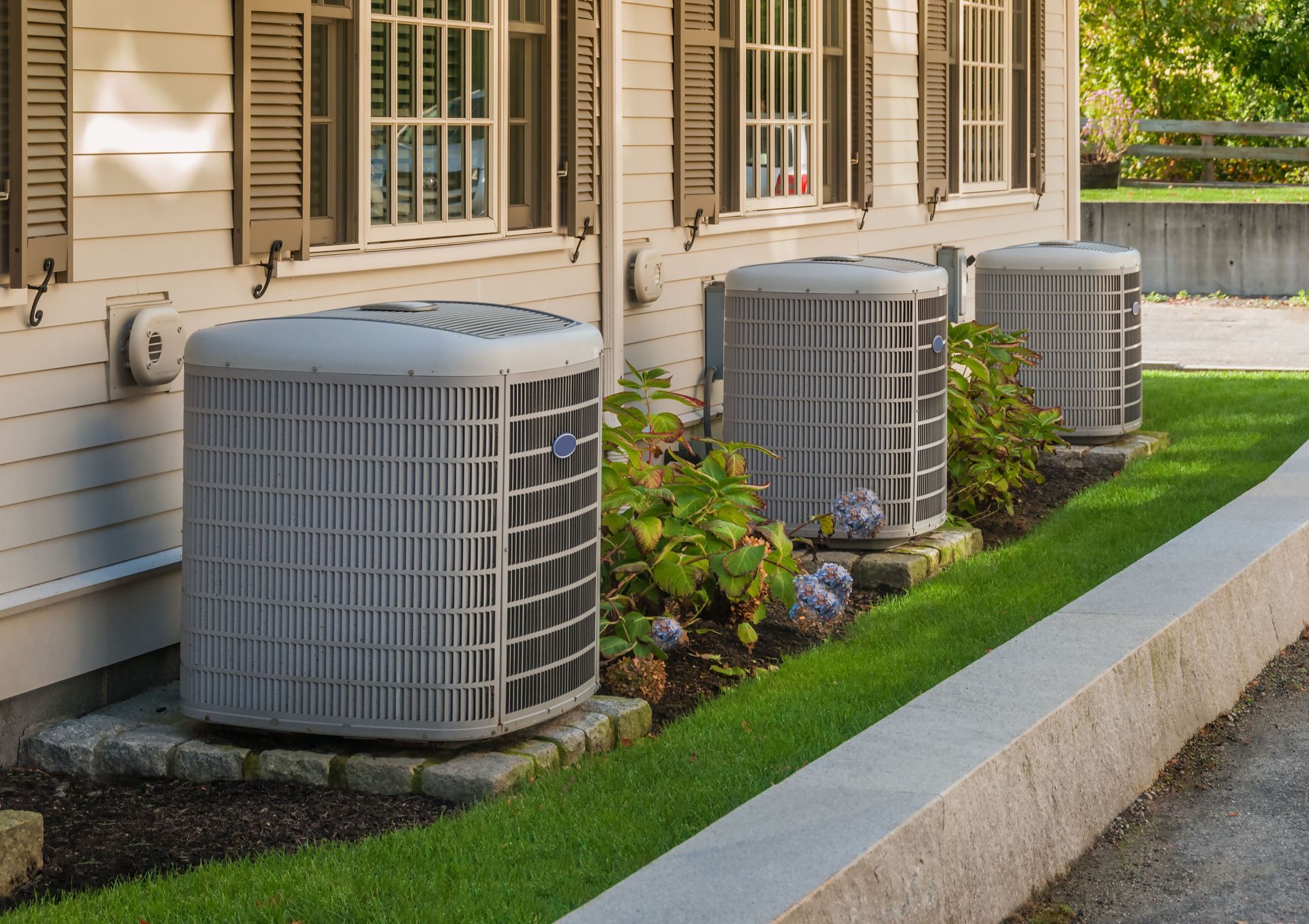
AC service
July 23, 2026
Get the most out of your home cooling system with AC service from a professional company. They can identify problems and keep your system running smoothly.
Hand typing on a laptop keyboard beside a black screen
May 12, 2026
When it comes to comfort, nothing matters more than having a reliable HVAC system that keeps your home cozy in the winter and cool in the summer. But here’s the truth — the quality of your HVAC installation has a major impact on how efficiently and safely your system operates. At Rhymes Heating & Cooling, we’ve seen it all: perfectly installed systems that run like a dream for years and poorly installed ones that cause endless headaches (and higher utility bills). So, if you’re thinking about replacing your old system or installing a new one, understanding what a professional HVAC installation involves can help you make smarter decisions — and save you from future frustrations. Let’s walk through what you can expect from the process and how to choose a trustworthy HVAC contractor in St. Louis, MO. Understanding the Importance of Professional HVAC Installation Installing a new HVAC system goes beyond connecting wires and ductwork — it’s about setting up a system designed to perform efficiently and reliably for years.. Professional installation ensures your new unit is the right size for your home, properly sealed, balanced, and safe. An HVAC system that’s too small will constantly struggle to keep up. One that’s too large will short-cycle and waste energy. Either way, your comfort and your wallet suffer. That’s why every installation we do at Rhymes Heating & Cooling starts with proper planning, precision, and care. Initial Consultation and Home Assessment The first step in any great installation is a comprehensive assessment. Our certified technicians visit your home to inspect your current setup, measure square footage, check insulation, evaluate ductwork, and determine what type of system fits your needs best. We also talk about your goals — whether you’re looking to save on energy, improve air quality, or add zoning for better temperature control. Every home in St. Louis is different, and so is every HVAC solution. By  Safe Removal of Old HVAC Equipment Before installing your new system, the old unit has to go — and that’s a job for trained professionals. Removing old HVAC equipment involves handling electrical wiring, refrigerant disposal, and ductwork disconnection, all of which require certification and experience. At Rhymes Heating & Cooling, our licensed technicians handle refrigerants safely and in full compliance with EPA regulations. We remove your old system with precision and respect for your property, making sure everything is disposed of responsibly before moving on to your new installation. Preparing the Site for New Installation Next comes preparation. The installation site must be clean, level, and ready for the new equipment. This might include clearing away debris, ensuring the foundation pad is stable, and checking that your electrical and drainage systems meet current codes. Proper preparation helps prevent future issues like leaks, vibrations, or uneven cooling — common problems in DIY or low-quality installations. Proper setup today means fewer repairs tomorrow. Installing the New HVAC System Here’s where the magic happens. Once the area is ready, we install the new indoor and outdoor units, connect refrigerant lines, electrical wiring, and secure all fittings. Every component — from ductwork to thermostats — is carefully aligned and sealed. At Rhymes Heating & Cooling, our goal is precision. Each unit is installed following both manufacturer specifications and local St. Louis building codes. We know how important it is for your system to run smoothly for years, and that begins with expert craftsmanship. Electrical, Refrigerant, and Drain Line Connections This step is crucial and should always be handled by licensed professionals. Improper electrical or refrigerant connections can lead to serious performance issues or even safety risks. Our technicians handle these elements with care — ensuring your refrigerant lines are brazed correctly, electrical connections are secure, and the condensate drain line is positioned properly to prevent water leaks or damage to your home. It’s this attention to detail that ensures your new system operates at peak efficiency and safety. System Testing, Calibration, and Quality Assurance Once your new HVAC system is fully installed, it’s time to test and fine-tune it. This includes checking airflow, refrigerant levels, electrical readings, thermostat accuracy, and overall system performance. We take this testing seriously because it ensures that every part of your system is working together exactly as it should. After calibration, we verify that your system delivers consistent temperatures, strong airflow, and optimal energy efficiency. When Rhymes Heating & Cooling signs off on an installation, you can trust it’s been tested, inspected, and guaranteed to perform. Final Walkthrough and Homeowner Orientation We know how important it is for homeowners to feel confident using their new system. That’s why before we leave, our team walks you through the entire setup — showing you how to adjust your thermostat, when to change filters, and how to get the most out of your new energy-efficient features. We’ll also review your warranty paperwork and answer any questions you might have. Our job isn’t done until you feel comfortable and confident in your home’s new comfort system. How to Identify Experienced St. Louis HVAC Professionals Choosing the right HVAC company is just as important as the equipment you buy. Not every contractor delivers the same quality or professionalism. So, how do you separate the pros from the pretenders? Here are a few signs that you’re working with true HVAC professionals: A physical office you can visit, showing accountability and transparency Valid licenses and certifications for HVAC installation and refrigerant handling Prompt responses to calls and appointment scheduling Experienced technicians who arrive on time and treat your home respectfully Clear communication and upfront pricing, with no hidden fees These are all non-negotiables for any professional HVAC company — and they’re part of everything we do at Rhymes Heating & Cooling. Key Signs of Professionalism and Experience A seasoned HVAC contractor doesn’t just install equipment — they build trust. From clean uniforms to respectful communication, professionalism speaks volumes. At Rhymes, our team shows up on time, uses protective coverings, and ensures every customer feels heard and appreciated. We take pride in doing things the right way, not the fast way. That’s the kind of experience and integrity you can expect when you work with us. The Risks of Hiring Amateurs or Attempting DIY HVAC Work DIY videos may make HVAC work look easy, but the truth is — it’s not a do-it-yourself project. HVAC systems involve dangerous electrical wiring, refrigerants, and complex mechanical systems. One wrong connection can lead to leaks, high energy bills, or even serious safety hazards. While amateurs may offer lower prices, cutting corners during installation often leads to costly repairs later on. The safest choice is always to call licensed professionals who know the ins and outs of every system. Why Licensing and Certification Matter Licensing proves that your HVAC contractor meets state and federal safety standards. Certified technicians have completed rigorous training to handle refrigerants properly and ensure your system meets energy efficiency regulations. At Rhymes Heating & Cooling , all our installers are fully licensed, insured, and trained to work with the latest HVAC technologies. That means you can trust us to get the job done safely and correctly — every single time. Benefits of Choosing a Local, Established HVAC Company Working with a local St. Louis company like Rhymes Heating & Cooling means you get more than just expertise — you get accountability. We live and work in the same community as our customers, and we’re proud of the reputation we’ve built for honesty, craftsmanship, and dependable service. Plus, being local means we’re always close by for maintenance, repairs , or follow-up visits when you need us most. Long-Term Maintenance and System Longevity Professional installation is only the beginning. Regular maintenance keeps your HVAC system running smoothly and prevents unexpected breakdowns. A professionally installed and maintained system offers: Lower monthly energy bills Fewer repair costs over time Better indoor air quality Longer system lifespan Reliable performance during St. Louis’s hot summers and cold winters These benefits only happen when your system is properly installed and cared for by certified experts. Best Recommendation: Always Call Certified HVAC and Plumbing Professionals When it comes to something as essential as your home’s comfort and safety, trust the professionals. Certified HVAC and plumbing experts have the tools, training, and experience to install, repair, and maintain your system properly. Avoid the risks of hiring unqualified contractors or attempting repairs yourself. At Rhymes Heating & Cooling, we take pride in doing the job right — every time, for every customer. Trusted Experts for HVAC Installation in St. Louis Since day one, Rhymes Heating & Cooling has been helping homeowners across St. Louis enjoy reliable comfort, energy efficiency, and peace of mind. From initial consultation to final inspection, our team ensures your HVAC system is built to last. At Rhymes Heating & Cooling, we’re not just installing HVAC systems — we’re building trust, one St. Louis home at a time. Ready to experience comfort done right? Contact Rhymes Heating & Cooling today and schedule your professional HVAC installation in St. Louis!
Open furnace and ductwork in a dim utility room, with exposed pipes and wiring.
May 12, 2026
When St. Louis temps dip and the furnace finally kicks on for the season, it’s supposed to feel comforting—warm air, steady heat, no drama. But if you’re hearing clanks, bangs, squeals, or a weird buzzing that wasn’t there last year, your furnace is basically raising its hand and saying, “Hey… something’s not right.” We’re Rhymes Heating & Cooling here in St. Louis, MO, and we’ve seen it all: furnaces that sound like a marching band, ductwork that “pops” like popcorn, and blower motors that squeal loud enough to wake the dog (and the neighbors). The good news? A lot of furnace noises are explainable. The better news? Catching the issue early can save you from a cold house, a bigger repair bill, and unnecessary stress. Let’s break down what these noises usually mean, what’s normal, what’s not, and when it’s time to call in the pros. Understanding Normal vs. Abnormal Furnace Sounds All furnaces make some noise. You’ve got air moving, metal heating up, motors running, and gas burners (if it’s a gas furnace) doing their thing. So yes—some sound is normal. What’s not normal is loud, sudden, new, or changing sounds. A furnace that used to run quietly but now sounds rough, rattly, or unpredictable is usually dealing with wear, misalignment, airflow restriction, or an electrical issue. A simple rule of thumb: if the noise makes you pause and think, “That doesn’t sound right,” it’s worth getting checked. Furnaces don’t “self-heal,” and ignoring a warning sound often turns a manageable fix into a major repair. Furnace Noises That Signal Serious Problems These are the sounds we consider “don’t wait” noises. Some can be mechanical issues, some can involve electrical risks, and some can impact safe operation. Clanking or Metal-on-Metal Sounds Clanking usually sounds like something loose is bouncing around inside the unit—metal tapping metal. That’s often related to components like the blower wheel, motor mounts, or other internal parts that have loosened up over time. If the furnace keeps running while something is loose, it can start damaging nearby components. Think of it like a loose bolt in a washing machine: the longer it runs, the more it shakes itself apart. If you’re hearing clanking consistently, it’s time for a professional inspection so we can pinpoint what’s loose, worn, or failing before it snowballs into a bigger repair. Banging or Booming at Startup A bang or boom when your furnace starts is one of those sounds you should never brush off. Often, it’s tied to delayed ignition, which can happen when burners are dirty or ignition components aren’t working correctly. Basically, gas builds up for a moment before igniting, and when it finally lights, you get that “whoomp” effect. Aside from being hard on your system, delayed ignition can be a safety concern. We want ignition to happen smoothly and predictably—not with a mini shockwave in the combustion area. If you’re hearing booming at startup, shut the system down and call a licensed HVAC technician. We’ll inspect the burner area, ignition system, and combustion performance to get it running safely. Screeching or Squealing Squealing and screeching are often blower-related. Depending on the furnace style and age, it could involve a belt issue, worn bearings, or motor problems. Even if the heat still works, that squeal is usually the sound of friction or strain—two things you don’t want in a motor that’s supposed to run smoothly. This is the kind of problem that can start “annoying” and end “expensive” if it’s ignored long enough for the motor to burn out. If you’re hearing that high-pitched squeal, schedule service sooner rather than later. Early intervention is usually kinder to your wallet. Buzzing or Humming (Electrical Noises) A low, steady hum can be normal. But a loud buzz—especially if it’s intermittent, new, or paired with performance issues—often points to electrical trouble: loose wiring, a failing capacitor, or a stressed motor. Electrical problems are not something you want to “wait and see” on. When electrical components are straining, they can overheat. And overheated electrical components can lead to damaged parts—or worse. If your furnace is buzzing, humming loudly, clicking repeatedly, or acting erratic, it’s best to stop running it and let a professional diagnose it safely. Grinding or Scraping Grinding or scraping sounds are usually bad news. That often means a moving part is rubbing where it shouldn’t—like a blower wheel scraping the housing, or internal components shifting out of alignment. This kind of noise can cause rapid damage. If a blower assembly is scraping constantly, it can destroy the wheel, damage the motor, and shorten the system’s life fast. Grinding/scraping is a “turn it off and call” scenario. The sooner we stop the damage, the better the repair outcome. Furnace Noises That May Be Less Serious Not every furnace sound is a crisis. Some are just part of normal operation—especially in older homes with ductwork that expands and contracts as temperatures change. Still, “less serious” doesn’t mean “never important.” If any noise is loud, frequent, or worsening, it’s worth a professional look. Pinging or Popping from Ductwork Pinging or popping is often ductwork expanding and contracting as it heats up and cools down. This is especially common when your system first starts running for the season, or when we get sharp temperature swings in St. Louis. If it’s occasional and mild, it’s usually not a major issue. But if it’s constant, extremely loud, or paired with airflow problems, it may be time to have your ductwork and system evaluated. Crackling After Shutdown Light crackling right after the furnace turns off is usually just metal cooling down. Think of it like a car engine ticking slightly after you park. Normal heat cycles can produce some small noises as parts expand and contract. Again—if it’s new, extreme, or paired with other symptoms, we’d rather check it than guess. Faint Operational Humming A gentle hum can simply be the blower motor running. If it’s stable and not changing pitch, it’s often normal. But if that hum becomes louder over time, develops into buzzing, or sounds strained, that’s a sign the motor or electrical components may need attention. Whistling from Restricted Airflow Whistling usually means your system is struggling to move air. Restricted airflow can come from several sources, and while it may start as an annoyance, it can turn into a real problem. Poor airflow makes furnaces work harder, which increases wear and can lead to overheating. A furnace that overheats repeatedly is at higher risk of major component damage—and anything involving heat exchanger health is something we take seriously. Safety Risks of Ignoring Furnace Noises Here’s the big picture: furnaces are not “set it and forget it” appliances when they’re making odd sounds. Unusual noises can be the earliest warning sign of a repair issue—or a safety risk. Fire and Electrical Hazards When electrical components are failing, loose, or overheating, you can get: short cycling burnt wiring damaged control boards blown capacitors motor stress Even if the furnace keeps running, it may be running in a way that’s unsafe or damaging long-term. Electrical issues are one of the most important reasons to call a professional quickly. Carbon Monoxide Risks For gas furnaces, safe combustion is everything. If issues lead to poor combustion performance or heat exchanger damage, there can be a carbon monoxide risk. Carbon monoxide is odorless and dangerous, and your furnace should never be “trusted” to run safely when it’s showing warning signs. If you ever suspect a combustion issue—or if you’re hearing loud bangs/booms, smelling anything unusual, or noticing headaches/dizziness—turn the system off and call for professional help immediately. Escalating Mechanical Damage A loose component can become a broken component. A strained motor can become a burned-out motor. A slight misalignment can become a full system failure. Noises are often your furnace’s early warning system. The sooner you address them, the more likely the fix is straightforward and affordable. When to Call a Licensed HVAC Professional If you’re unsure when to pick up the phone, here’s a quick way to think about it: Call right away if you hear banging, booming, grinding, scraping, loud buzzing, or repeated clicking. Call soon if you hear squealing, consistent rattling, or anything that’s getting louder over time. Call for a check-up if noises are mild but new, or if the furnace just isn’t heating consistently. And if the furnace noise is paired with any performance issue—cool air, weak airflow, frequent on/off cycling—that’s your sign the system needs professional service. The Importance of Professional Furnace Inspection and Maintenance We’re big believers in regular furnace maintenance because it prevents most of the problems that create scary noises in the first place. During a professional inspection, we look at the major moving parts, test safe operation, check electrical components, inspect combustion performance (for gas furnaces), and confirm your system is running efficiently. Here’s one paragraph in bullet form that sums up what professional service helps with: Catching worn components before they fail Reducing unexpected breakdowns during peak winter cold Improving system efficiency and comfort Protecting your home by verifying safe operation Extending the lifespan of your furnace and reducing long-term costs When your furnace is quiet and steady, you don’t think about it. That’s the goal. Maintenance and timely repairs help keep it that way. Protect Your Home with Expert Furnace Repair Services At the end of the day, furnace noises aren’t just “sounds.” They’re signals. Some are harmless, but others are your furnace warning you that something is loose, worn, misfiring, or failing. And because furnaces involve electricity, heat, moving parts, and sometimes gas combustion, it’s not worth gambling on guesswork. If your furnace is making strange noises in St. Louis, MO, we can help you get answers fast with expert furnace repair , fix the issue correctly, and restore that quiet, comfortable heat you’re supposed to have all winter. Final Thought Strange furnace noises can be confusing, but they’re rarely random. Clanking, banging, squealing, buzzing, grinding—each sound points to a specific kind of problem, and most problems get worse when they’re ignored. The safest and smartest move is to treat new or loud furnace noises like a check-engine light: you might still be moving, but something needs attention. We’re here to make it simple: we’ll inspect the system, explain what we’re finding in plain language, and recommend the best path forward—repair, tune-up, or replacement if it’s truly time. Keeping your heat reliable in St. Louis winters is what we do. If your furnace is making weird noises, reach out to Rhymes Heating & Cooling today. 
Show More →