
November 24, 2026
Selecting the ideal temperature controller shapes your household comfort, monthly utility bills, and heating system longevity. Every thermostat acts as the command center for your climate equipment, yet different models vary drastically in automation, convenience, and upfront cost. Whether you prefer simple physical dials, pre-set daily schedules, or Wi-Fi-enabled learning algorithms, matching the device to your lifestyle prevents wasted energy. Consulting an experienced HVAC contractor helps verify system compatibility before purchasing new hardware. Exploring how smart, programmable, and manual thermostats compare empowers homeowners to make a confident, cost-effective decision tailored to their daily routines and home infrastructure.
Understanding the Three Main Categories of Residential Thermostats
Before comparing specific features or price tags, homeowners benefit from knowing how climate controls divide into distinct technological tiers. According to This Old House, thermostats are generally split into three categories: smart thermostats, programmable thermostats, and non-programmable thermostats. Manual non-programmable units require hands-on adjustments every time you want the temperature changed, while programmable models follow fixed time-based schedules automatically. Smart thermostats build upon scheduled automation by adding wireless connectivity, mobile app controls, and adaptive learning sensors. Knowing how each tier operates establishes a clear baseline for matching capabilities to your household habits and comfort expectations.
Evaluating Manual Thermostats for Simplicity and Budget Value
Non-programmable manual thermostats remain the most straightforward, affordable option available for homeowners who dislike complicated menus or digital screens. Operated through simple sliding levers, rotary dials, or basic up-and-down buttons, these devices maintain a single chosen temperature until someone physically adjusts the setting. Because they lack Wi-Fi radios and complex circuit boards, manual units rarely suffer software glitches and work reliably in vacation cabins, workshops, or homes with consistent occupancy. However, forgetting to lower the heat before leaving for work wastes substantial energy over time. Consulting an HVAC contractor ensures even basic manual units match your furnace voltage properly.
Exploring Programmable Thermostats for Automated Daily Schedules
Programmable thermostats bridge the gap between basic manual switches and expensive connected gadgets by automating temperature shifts around your weekly calendar. Most models offer seven-day, five-plus-two-day, or weekday-weekend scheduling options that automatically lower heating at night or while everyone is away at school and work. Returning home to an already comfortable living room without lifting a finger saves significant money on monthly gas and electric bills. Setup requires patience when programming time blocks through small buttons, yet once configured, programmable units run dependably without internet connections. Proper scheduling eliminates human forgetfulness while keeping energy costs predictable year-round.
Discovering Smart Thermostats for Remote Control and Adaptive Learning
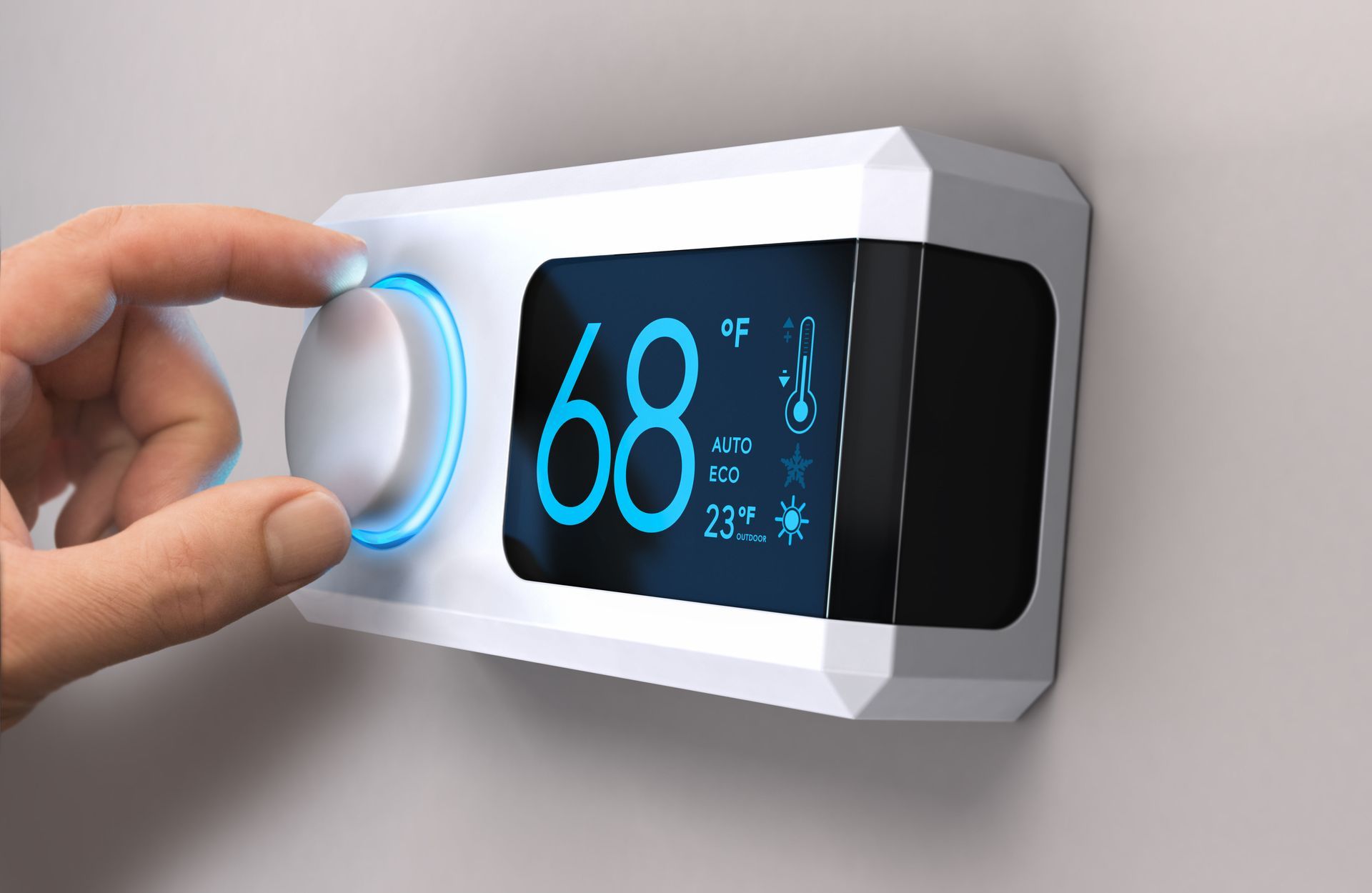
Wi-Fi-connected smart thermostats elevate home climate control through smartphone apps, voice assistant integration, and occupancy-detecting algorithms. Instead of relying solely on rigid clock schedules, advanced smart models learn your household's natural patterns, track local weather forecasts, and use phone geofencing to adjust temperatures automatically when everyone leaves the house. Many units also provide detailed monthly energy reports, filter replacement reminders, and remote room sensors that eliminate hot or cold spots in distant bedrooms. Having a qualified HVAC contractor install smart controls ensures advanced heat-pump stages and auxiliary heating strips function safely without short-cycling expensive compressor components.
Comparing Upfront Hardware Costs Against Long-Term Energy Savings
Price differences across thermostat categories often influence buying decisions, yet initial sticker prices tell only half the financial story. Basic manual units cost under thirty dollars, programmable models range between forty and one hundred dollars, and premium smart thermostats typically run from one hundred fifty to three hundred dollars. Despite higher upfront hardware expenses, smart and programmable models quickly recoup their purchase price by trimming heating and cooling waste by ten to fifteen percent annually. Many local utility companies even offer instant rebates on ENERGY STAR-certified smart models, making high-efficiency upgrades surprisingly affordable for budget-conscious households.
Checking Wiring Compatibility and C-Wire Requirements Before Upgrading
Not every thermostat works seamlessly with every furnace, boiler, heat pump, or central air conditioner installed in residential homes. Older manual thermostats frequently operate on simple two-wire millivolt or twenty-four-volt circuits without a dedicated common wire, known as a C-wire, which supplies continuous power to illuminated smart displays. Installing a Wi-Fi thermostat without adequate power can cause erratic furnace cycling, battery drain, or system shutdowns during freezing winter nights. Scheduling an inspection with a licensed HVAC contractor confirms voltage compatibility, multi-stage wiring setups, and safe power adapter solutions before removing your existing wall plate.
Matching Thermostat Features to Your Household Daily Routine
The smartest thermostat on the market delivers minimal savings if its capabilities do not align with how your family actually lives. Households with unpredictable work shifts, frequent travel, or variable weekend plans benefit enormously from smart geofencing and remote smartphone adjustments from anywhere in the world. Conversely, retirees or remote workers who stay home steadily all day often achieve identical comfort and efficiency from a reliable programmable unit without paying extra for cloud features. Taking an honest look at your weekly schedule prevents overpaying for unused gadgets while ensuring effortless everyday comfort.
Assessing Multi-Zone Climate Control and Remote Room Sensors
Two-story homes, finished basements, and sun-drenched living rooms frequently suffer from uneven temperatures that a single hallway thermostat cannot balance alone. Modern smart ecosystems solve this classic frustration by pairing wireless remote temperature and occupancy sensors placed inside bedrooms or home offices. These compact sensors communicate directly with the main controller, prioritizing comfort in rooms people are actively occupying rather than overheating empty hallways. An experienced HVAC contractor can also integrate motorized damper zoning systems with compatible smart thermostats, giving every floor independent climate precision without straining blower motors or ductwork.
Considering Data Privacy and Internet Reliability for Connected Devices
Choosing a Wi-Fi-enabled thermostat means connecting a vital household system to your home router and cloud servers. While mobile apps make adjusting temperatures from vacation effortless, occasional internet outages can temporarily disable remote access until connectivity returns—though local wall controls continue functioning normally. Homeowners concerned about digital privacy should review manufacturer data policies, enable two-factor authentication on companion apps, and select reputable brands with strong cybersecurity track records. If you prefer keeping home appliances completely offline, a high-quality programmable thermostat delivers automated energy savings without sharing occupancy patterns online.
Planning Proper Placement and Professional Installation for Accurate Readings
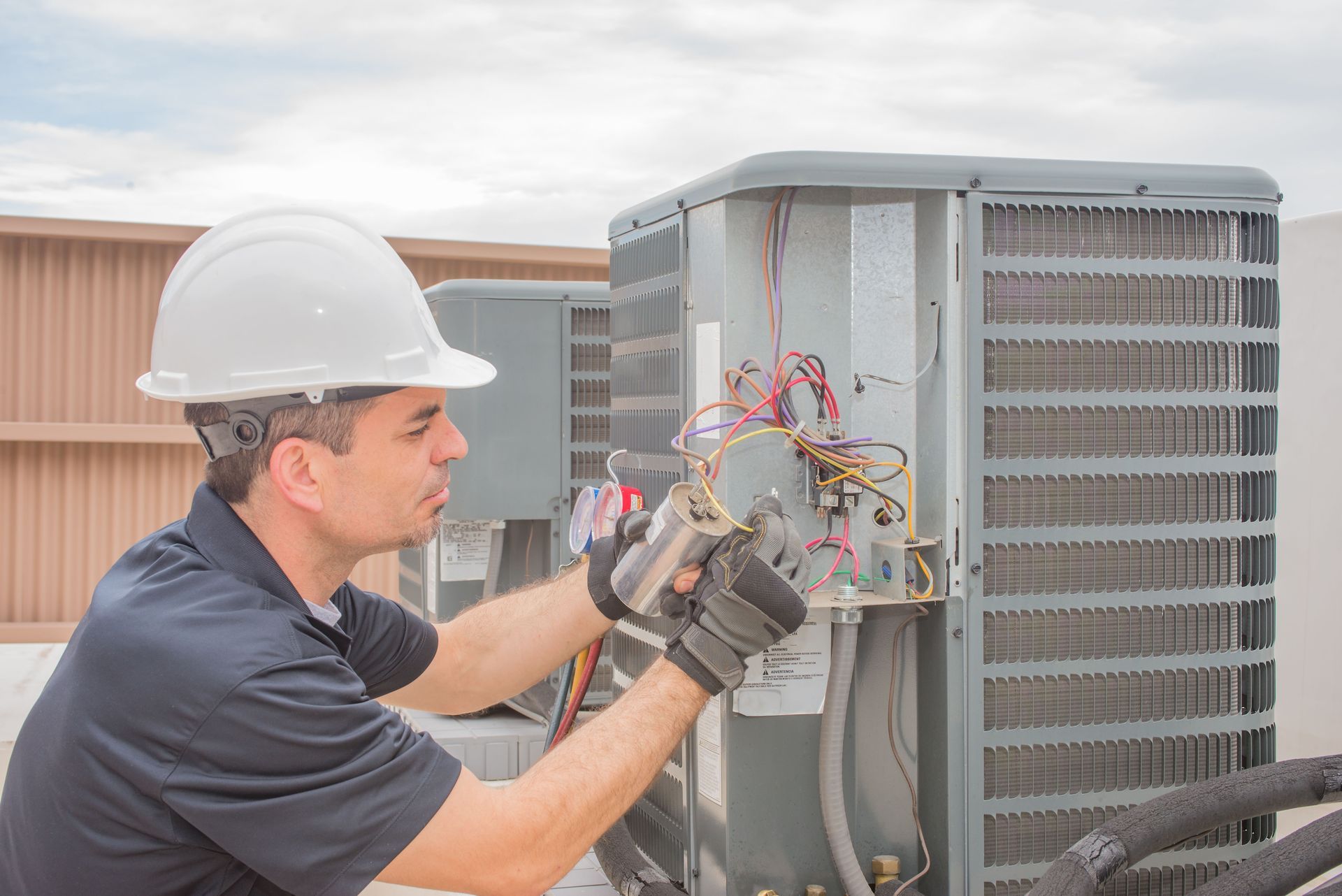
Even the finest thermostat performs poorly if mounted in direct afternoon sunlight, beside drafty exterior doors, or directly above warm kitchen appliances. False temperature readings trick heating and cooling equipment into running excessively, wasting money and wearing out mechanical components prematurely. Partnering with a trusted HVAC contractor ensures your new thermostat sits on an interior wall with natural airflow, level mounting, and sealed wire holes behind the backplate. Professional calibration verifies accurate staging, emergency heat lockouts, and blower delays so your entire climate system operates smoothly from day one.
Choosing between smart, programmable, and manual thermostats comes down to balancing daily convenience, household schedules, system wiring, and long-term energy savings. Manual units offer rugged simplicity for steady routines, programmable models automate predictable weekly schedules affordably, and smart thermostats deliver unmatched remote flexibility and adaptive efficiency. Checking C-wire compatibility, placement, and multi-stage equipment requirements beforehand prevents frustrating installation surprises. Consulting a knowledgeable local climate specialist ensures your chosen controller integrates seamlessly with your heating and cooling system, keeping your home comfortable and efficient throughout every season.
Are you seeking a professional local HVAC contractor in St. Louis, MO, and the surrounding areas? At Rhymes Heating & Cooling, we provide heating, cooling, installation, repairs, and much more. Contact us today to schedule your next service appointment.