
November 24, 2026
Your heating and cooling system works quietly behind the scenes every day to keep your home comfortable through shifting outdoor temperatures and seasonal humidity. Because most of its mechanical components stay tucked away inside a utility closet, basement, or attic, it is easy to assume the air flowing from your vents is just as clean as it feels. Yet hidden inside the air handler, a heavily clogged air filter and layers of accumulated dust can silently degrade the air your family breathes every time the blower fan kicks on.
Instead of capturing airborne irritants, an overloaded filter allows dust, dander, pollen, and microscopic debris to bypass the media and circulate continuously through your ductwork. Working with a qualified air conditioner contractor helps homeowners uncover this unseen buildup early and keep indoor air fresh, balanced, and healthy throughout every season.
How a Clogged Air Filter Traps Harmful Pollutants
Every heating and cooling unit relies on an air filter to act as the primary barrier between your living space and airborne contaminants. As return air pulls household dust, pet dander, outdoor pollen, fabric lint, and cooking particles toward the unit, the pleated filter media captures those irritants before they reach sensitive internal components. Over time, however, those trapped particles form a dense, matted blanket across the surface of the filter that blocks clean passage.
When a filter becomes saturated, it stops functioning as an effective protective shield. Incoming air pressure forces loose debris through worn fibers or pushes unfiltered air around the edges of the frame directly into the blower compartment. From there, concentrated allergens and fine dust travel straight back out through your supply registers into bedrooms and living spaces. A knowledgeable air conditioner contractor can evaluate how your filter fits inside the return slot and recommend filtration options that capture airborne pollutants without choking off airflow.
How Restricted Airflow Strains Your Cooling Equipment
When dust and lint slip past a neglected filter, they do not simply disappear into the ductwork. Much of that debris settles onto the curved blower wheel blades, fan motor housing, and indoor evaporator coil, creating a stubborn coating that disrupts smooth air movement. As internal air passages narrow, your system has to work significantly harder to pull warm air from your rooms and push conditioned air back through the vents. This extra strain puts premature wear on vital mechanical parts and makes the unit far more likely to overheat or break down during peak weather.
Homeowners often notice the effects of restricted airflow long before they ever open their equipment cabinet. Rooms at the far ends of the house may feel stuffy or uneven in temperature, supply vents may deliver noticeably weaker air currents, and cooling cycles may run longer than usual without reaching the thermostat setting. Having an experienced air conditioner contractor inspect and clean these internal surfaces restores proper air volume and helps your equipment distribute conditioned air evenly across every room.
How Lingering Moisture Encourages Mold and Mildew Growth
During warm, humid weather, your cooling system removes excess moisture from indoor air as warm vapor passes over the cold evaporator coil. Under normal operating conditions, that condensation drips cleanly into a collection pan and exits the home through a condensate line. However, when dust, pet hair, and organic debris coat the delicate coil fins and collect inside the pan, trapped moisture lingers much longer than it should.
Damp dust inside a dark air handler creates an ideal breeding ground for mold spores, mildew, and bacterial growth. Each time the blower cycles on, air sweeps across those damp surfaces and carries musty odors and biological irritants into bedrooms, kitchens, and family rooms. Calling a dependable air conditioner contractor to sanitize coil surfaces and clear slow condensate drains eliminates hidden moisture pockets before unpleasant odors spread throughout your home.
How Leaky Return Ducts Pull Dust Into Your System
Even when you keep a clean filter in place, small gaps or loose joints along your return ductwork can undermine indoor air quality behind the scenes. Return ducts operate under negative air pressure whenever the blower runs, which means any unsealed seam inside an attic, crawlspace, or unfinished basement actively draws dusty, unfiltered air straight into your heating and cooling cabinet.
That incoming debris bypasses your main return grille altogether, carrying loose insulation fibers, drywall dust, and outdoor allergens directly toward the blower fan and coil assembly. Over time, those hidden air leaks coat internal components and spread fine particles through every supply vent in the house. Sealing leaky duct connections with durable mastic sealant and foil tape keeps dusty unconditioned air out of your ventilation stream and preserves cleaner airflow across your living spaces.
How Routine Filter Maintenance Protects Indoor Air Quality
Consistent filter care remains the simplest and most effective way to stop hidden buildup from taking over your heating and cooling unit. Checking the filter pleats regularly lets you spot heavy gray dust accumulation before it restricts airflow or allows particles to bypass the frame. According to Home Advisor, replacing your air conditioning filter every 30 days is essential for keeping your system running efficiently and preserving clean indoor air quality.
Keeping spare filters stored nearby makes it easy to stay on schedule, especially during peak summer cooling months or when pets shed heavily indoors. Always verify the exact dimensional measurements printed on your current filter frame so the replacement slides snugly into place with directional arrows pointing toward the blower unit. If you are unsure which filter thickness or filtration rating matches your equipment, your local air conditioner contractor can guide you toward a filter that balances particle capture with steady airflow.
How Professional Inspections Uncover Hidden System Buildup
While swapping out dirty filters on schedule prevents most surface debris from entering your system, fine particles can still accumulate gradually over years of everyday operation. Dust settled deep inside return plenums, blower housings, and coil fins cannot be reached with a standard household vacuum or a quick filter change alone. Left untouched, that hidden residue continues recirculating stale air and insulating coils against proper heat transfer.
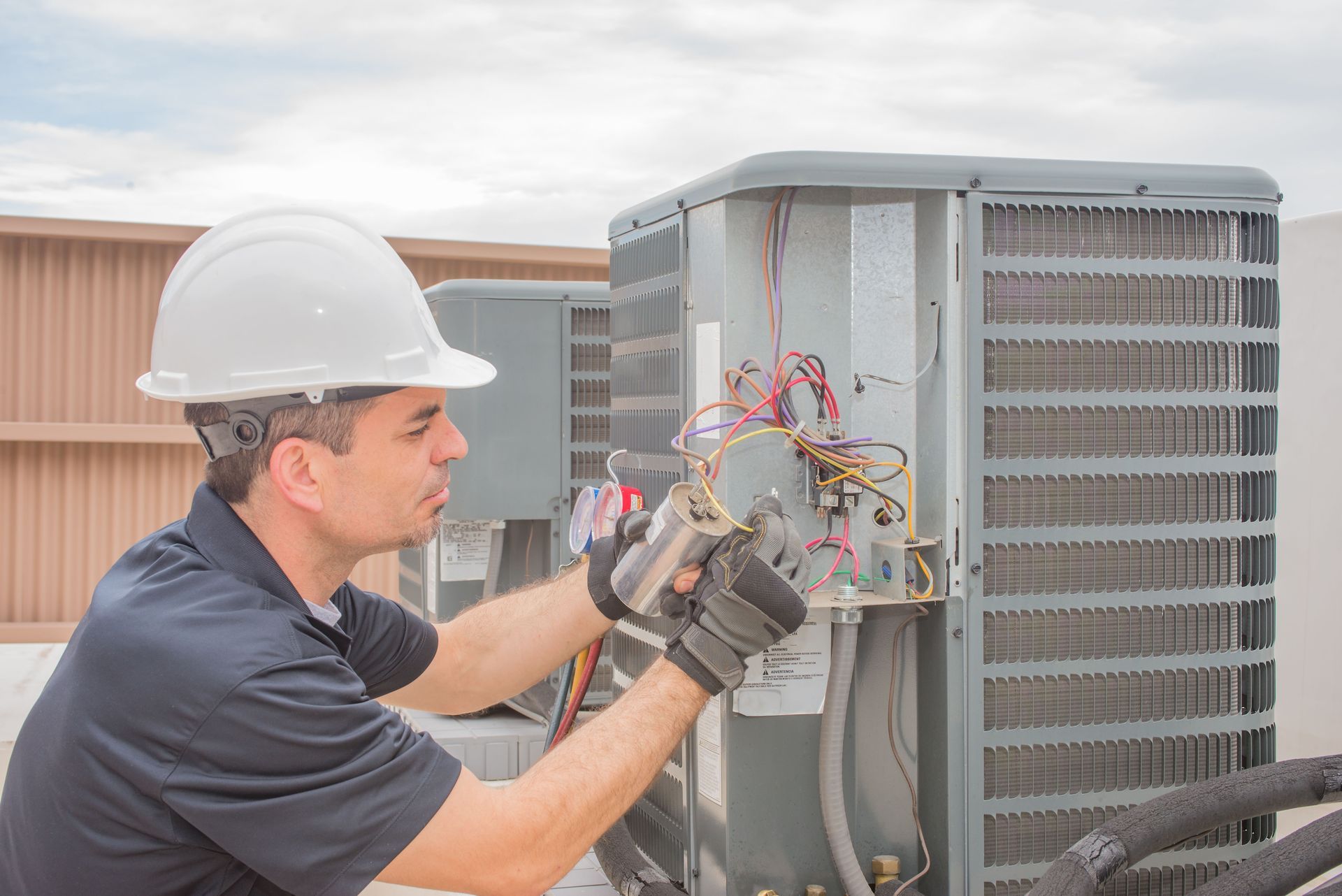
Routine maintenance visits allow a trained technician to open access panels, inspect delicate coil fins, clean blower assemblies, and verify that ductwork connections remain tightly sealed against attic or crawlspace dust. Partnering with a reliable air conditioner contractor for thorough seasonal checkups keeps every hidden compartment of your unit clean and ensures your ventilation system supports comfortable, healthy living indoors.
Your heating and cooling unit should enhance indoor comfort rather than quietly circulating dust, allergens, and stale air through your home. By staying consistent with filter replacements, watching for signs of restricted airflow, keeping return vents clear of rugs or furniture, and scheduling periodic internal cleanings, you can eliminate the hidden buildup that compromises air freshness and respiratory comfort. Working with a dedicated air conditioner contractor gives you genuine peace of mind that every component of your system is clean, clear, and operating smoothly through every season of the year.
If you are ready to eliminate hidden buildup and enjoy cleaner, fresher air throughout your home, contact us at Rhymes Heating & Cooling today. We will help you inspect your heating and cooling system, clear away stubborn airflow obstructions, remove trapped dust and debris, eliminate lingering musty odors, and restore healthy, breathable indoor air quality for your entire household all year long.